
Colorado homeowners face unique challenges when it comes to keeping indoor air clean, from wildfire smoke seasons to construction dust in fast-growing communities. Negative pressure air duct cleaning is the most effective cleaning strategy professionals use to tackle these issues, and understanding how it works helps you make smarter decisions about your home’s HVAC system.
Negative Pressure Air Duct Cleaning Explained
Negative pressure air duct cleaning is a professional source-removal method where the entire air duct system is placed under continuous vacuum. The process uses a vacuum to create negative pressure in ducts, drawing air inward so that loosened dust, allergens, and debris are captured, not simply blown into your living spaces. Negative pressure creates suction inside the ducts during cleaning, and this controlled pressure method is what separates it from basic vent cleaning.
This negative pressure method is an industry-standard approach for residential duct cleaning. The National Air Duct Cleaners Association (NADCA) recommends negative pressure cleaning methods because the technique actually removes contaminants from inside the HVAC system rather than redistributing them. Negative pressure air duct cleaning utilizes powerful vacuum equipment, typically truck-mounted or high-capacity portable units, that move thousands of cubic feet of air per minute through HEPA-filtered containment.
Bee’s Air Duct Cleaning is a local service provider in Northern Colorado that uses professional-grade negative pressure equipment for complete debris removal across residential and light commercial systems. Their professional team brings a NADCA-certified technician to every job, which means your air duct cleaning services follow industry best practices from start to finish.
How Negative Pressure Duct Cleaning Works Step by Step
Once negative pressure cleaning begins, here is what happens in your home:
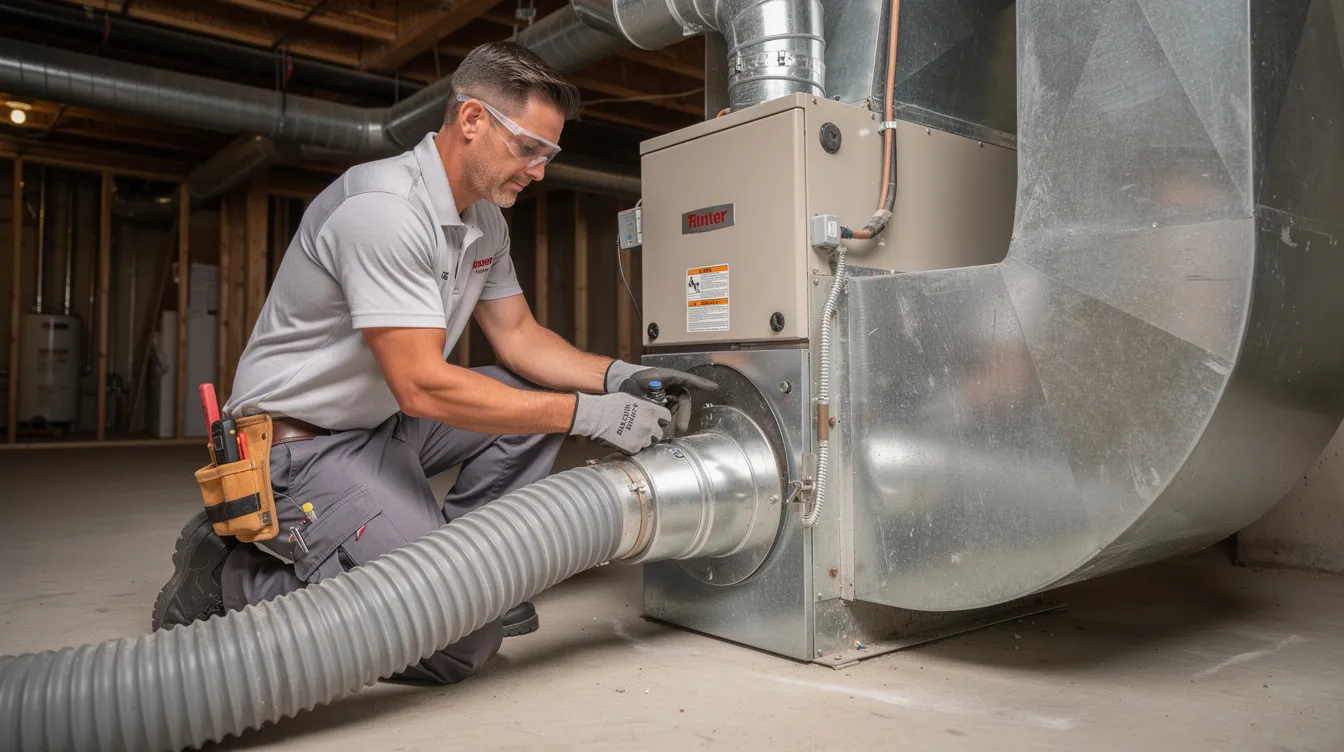
- Glance initial assessment and setup. Technicians evaluate your duct layout, material types, and contamination level. They connect a specialized vacuum system to the plenum, where the furnace and ductwork meet, and seal off supply and return registers to create a sealed system under negative air pressure.
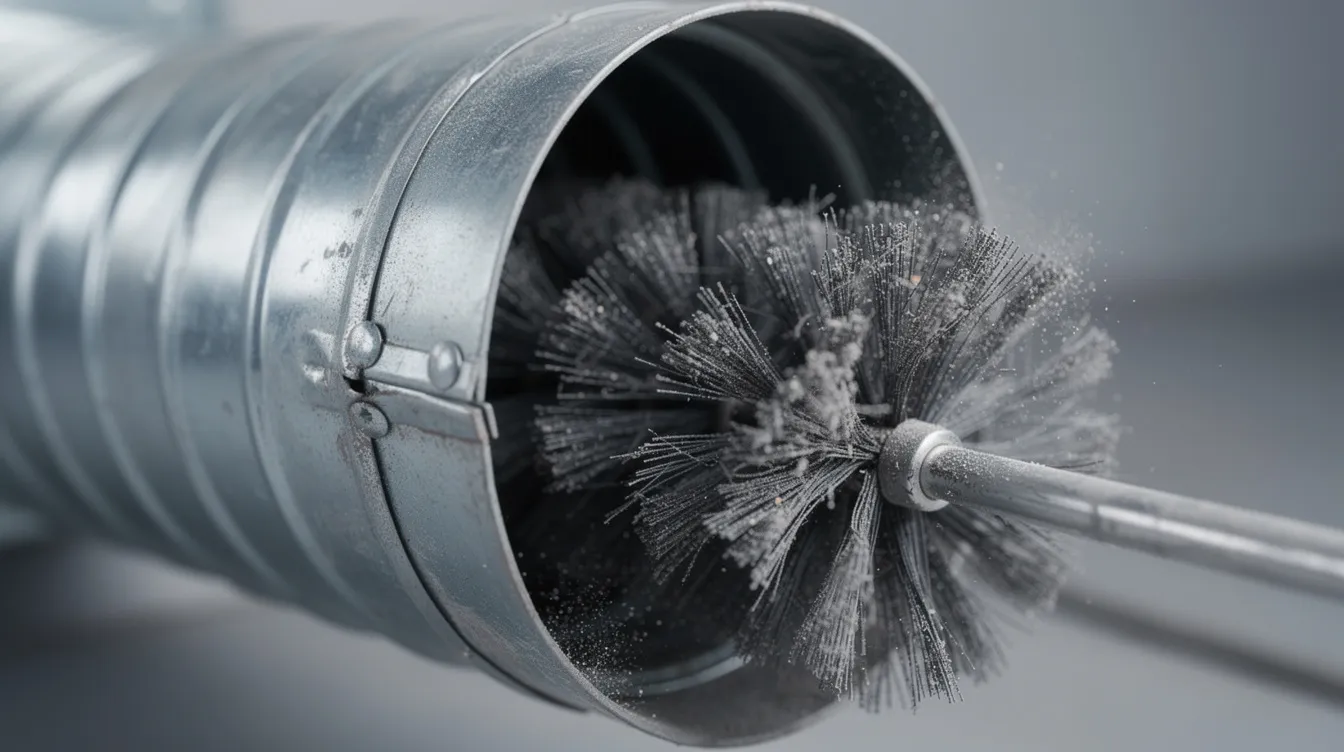
- Source removal with agitation. Agitation tools like rotary brushes or air whips are used to loosen debris from duct surfaces. The vacuum system ensures that dislodged dust, pet dander, and particles travel toward HEPA-filtered collection rather than escaping. HEPA filtration systems trap small particles and allergens during cleaning at 99.97% efficiency. Sealing vents during cleaning prevents contaminants from entering living spaces.
- Full-system cleaning. Both supply and return duct runs, branch lines, main trunks, and registers are cleaned, not just vent covers. Professionals conduct cleaning through each vent sequentially, focusing vacuum draw one line at a time. This goes far beyond basic vent-only approaches and achieves complete removal of accumulated debris.
- Component and access work. Technicians clean accessible components like the blower compartment, return drop, air handler, and plenum. If access openings are cut into sheet metal, they are professionally patched and sealed afterward, maintaining system integrity.
- Final inspection and walkthrough. A camera inspection or visual check verifies the duct system’s cleanliness. Drop cloths, corner guards, and plastic sheeting protect your home throughout, and the method creates a pleasant service experience with minimal disruption.
NADCA guidelines ensure thorough duct cleaning processes across every step, and this proven method is what makes professional services worth the investment.
Why Negative Pressure Matters for Indoor Air Quality
Northern Colorado’s dry climate, frequent wildfires, and construction growth in communities like Fort Collins and Loveland mean homes accumulate particulates quickly. Research from Colorado State University found that wildfire smoke particles linger indoors long after outdoor air improves, making duct hygiene air ducts a real concern in dust heavy climates, especially when you consider the need for specialized post-fire HVAC restoration.
Consider the numbers: indoor air can be 2 to 5 times more polluted than outdoor air, and the average six-room home can accumulate up to 40 pounds of dust annually. Negative pressure cleaning is crucial for effective duct cleaning because it prevents loosened contaminants from being pushed back into rooms. Negative pressure helps contain contaminants during the cleaning process, and negative pressure cleaning removes debris without contaminating living spaces. This method helps prevent contaminants from escaping into homes while professionals utilize advanced extraction technology to achieve superior air quality.
Professional cleaning removes allergens like dust mites and pet dander, and cleaning ducts helps eliminate dust mites, pollen, and pet dander that trigger reactions. Duct cleaning may prevent health issues related to dust and allergens, contributing to enhanced indoor air quality. Clean ducts can reduce energy waste by 25–40%, delivering both an energy efficiency boost and lower energy costs for homeowners. By cleaning both supply and return sides, this approach also reduces musty odors and burnt-dust smells when the furnace cycles on.
Signs Your Colorado Home’s Air Ducts May Need Cleaning
Not every home needs duct cleaning on a fixed schedule. Routine duct cleaning is not generally recommended without specific issues, and the EPA recommends duct cleaning when there is visible contamination. That said, watch for these signs:
- Dark dust lines – around supply registers, visible dust or pet hair inside vents, or puffs of dust when the HVAC system starts
- Rapid dust accumulation – on furniture after cleaning, or uneven airflow despite fresh filters
- Lifestyle and local factors – multiple pets, recent remodeling, living near dirt roads, or heavy wildfire smoke exposure pushing particulates into the air duct system
- Health-related clues – family members with aggravated allergies indoors, chronic coughing, or irritated sinuses that improve away from home
- Urgent situations – evidence of pests, visible mold growth on metal surfaces, active mold inside duct runs, or strong persistent odors from vents. If you discover active mold, contact a dedicated remediation company for whole home mold remediation before cleaning; a mold treatment may be needed first
Professional duct cleaning is recommended every 2–5 years, with more frequent service in older homes, high-pet households, or areas with heavy dust. Regular complete inspection helps you stay ahead of air duct cleaning needs.
Negative Pressure vs. Basic Vent Cleaning or DIY Methods
When choosing negative pressure cleaning over basic alternatives, the difference is scope and containment. Full-system negative pressure air duct cleaning covers trunks, branches, supply and return air ducts, registers, and the blower compartment. Basic “vent-only” cleaning removes dust from grilles but leaves the inside of the air duct untouched – which means contaminants keep recirculating.
DIY methods carry real risks. Household vacuums lack suction, static pressure, and filtration. Consumer brushes can jam or damage flex duct. Improperly executed cleaning may increase indoor air quality issues by stirring dust into rooms without proper containment. The effectiveness of cleaning depends on the condition of ductwork and contaminants present, and excessive vacuum pressure can damage flexible ductwork – something trained technicians know how to avoid while maintaining the duct system’s integrity when you choose professional ductwork cleaning services.
Watch out for advertised air duct cleaning cost specials under $100. These typically cover only a few vents with no true negative pressure or source removal. A reputable provider will explain scope clearly, including what parts of the HVAC system will be cleaned and why NADCA certification standards matter for ensuring that scope is followed. Professional-grade machines that engage negative pressure move 1,000–5,000 CFM through HEPA filtration, which is cutting edge technology that household equipment simply cannot match. Clean ducts improve airflow, and when you compare duct cleaning methods, negative pressure source removal stands out as advanced pressure cleaning excellence.
What to Expect from Bee’s Air Duct Cleaning in Northern Colorado
Here is what a typical appointment looks like when you schedule negative pressure cleaning services with Bee’s:
Before arrival: When you call, you will talk to a Bee’s staff member – not a call center. They will ask about square footage, number of systems, pets, and recent renovations. You will receive competitive pricing details and an approximate arrival date so you can plan accordingly. Bee’s valued clients receive amazing service from initial call through completion.
On-site evaluation: Your technician walks through the home, checking supply and return vents, equipment location, and furnace access. You can point out problem areas. This system protection step ensures the right tools and approach for your ductwork type and helps determine how long professional air duct cleaning typically takes.
During cleaning: The professional team sets up protective coverings, connects the negative pressure vacuum, and works through each vent systematically. For a standard single-system home, expect 3–5 hours on site. The HVAC system will be shut down during cleaning, and you will hear the vacuum running – it creates powerful suction that is noticeable but manageable. The system creates controlled airflow throughout the process.
Bee’s serves Fort Collins, Loveland, Greeley, Windsor, Longmont, and surrounding Northern Colorado communities. They also offer dryer vent cleaning and HVAC system cleaning as part of their cutting edge services. As leading providers in the region, they have built a competent network of experienced technicians serving the local population.
After service: Expect cleaner-looking vents, less visible dust over the following weeks, and potential improvement in airflow and comfort. Your technician will recommend filter changes and future maintenance intervals for extending system longevity and environmental preservation. Some homeowners also choose to install UV lights for ongoing air quality support.
Frequently Asked Questions About Negative Pressure Air Duct Cleaning
This negative pressure cleaning FAQ covers the most common questions from Colorado homeowners:
- How often should I schedule cleaning? NADCA recommends duct cleaning every 2–5 years for optimal performance. Homes with pets, smokers, allergies, or exposure to wildfire smoke in dust heavy climates may benefit from more frequent service. The average six-room home accumulates up to 40 pounds of dust annually, so conditions matter.
- What influences air duct cleaning cost? Home size, number of HVAC systems, level of contamination, and whether the blower or coils are included all affect pricing. Extremely low advertised prices are usually incomplete. Expect to invest in quality for cleaner air and energy costs savings – 25–40% of heating or cooling energy can be wasted due to contaminated ducts when you work with a dedicated Northern Colorado air duct cleaning company.
- Can negative pressure cleaning help with allergies? Professional duct cleaning improves indoor air quality significantly by removing allergens, but results vary depending on other sources like pet dander, carpeting, and filtration practices. Negative pressure cleaning can dislodge built-up contaminants effectively and address many of the indoor air quality problems we solve, contributing to system longevity and superior air quality.
- How long does it take? A thorough cleaning for a standard single-family home takes 3–5 hours. Rushing the process means incomplete cleaning of the air duct and reduced benefit, especially if components like evaporator coils need cleaning as part of the visit.
- Will it damage my ducts? When professionals conduct the work with proper duct cleaning equipment and training, negative pressure cleaning is safe for sheet metal and properly installed flex ducts. Negative pressure cleaning is not necessary for every home, but when it is needed, trained technicians protect the duct system’s integrity throughout.
- How should I prepare? Clear access to the furnace and air handler, move items away from main vents, and secure pets for safety. Your technician handles everything else.
If you are ready to experience the difference that professional negative pressure air duct cleaning makes, contact Bee’s Air Duct Cleaning for a free quote. As a woman-owned, NADCA-certified company with more than eight years serving Northern Colorado, Bee’s delivers the kind of amazing service that keeps valued clients coming back, from commercial air duct cleaning in Colorado to specialized odor and contaminant issues like cat or rat urine in air ducts and eliminating cigarette smoke odors.
