
Removing the fire smoke smell from a house requires more than airing things out. Whether you’re dealing with smoke damage from a structure fire or seasonal wildfire haze that crept through your windows, the smell of smoke can embed itself in every corner of your home, and your HVAC system is often the biggest culprit keeping it there. This guide walks Colorado homeowners through practical steps to remove the smoke smell at the source, with a focus on the ductwork and heating and cooling system components most people overlook.
Quick Actions to Get Rid of Fire Smoke Smell Fast
If you’ve just experienced a house fire or wildfire smoke event in Colorado, your first concern is likely the persistent smoke smell cycling through your rooms every time the furnace or AC kicks on. That odor is coming from inside your HVAC system, and knowing what to do in the first hours matters.
Turn off the HVAC system immediately. Shut down the furnace, AC, and fan so the blower doesn’t pull soot, airborne smoke particles, and fire smoke deeper into your ductwork and redistribute the odor to every room in the house. Running the system before cleanup only coats more interior surfaces of your ducts and components with smoke residue.
Removing fire smoke odor ultimately requires a combination of ventilation, deep cleaning, and odor neutralization, but stopping the spread through your HVAC is the critical first move.
Bee’s Air Duct Cleaning can usually respond within the same week across the Colorado Springs and Denver Front Range area for HVAC and duct inspection after a fire or wildfire smoke event. When you call us, you’ll speak directly with our staff, not a call center.
Why Fire Smoke Smell Lingers in Colorado Homes
Colorado’s seasonal wildfire smoke drifts into homes across the Front Range and mountain communities every summer, sometimes for weeks at a stretch. Even homes miles from the nearest fire can end up with a persistent smoke smell that won’t go away.
The reason is chemistry. Fire smoke contains microscopic particles, many smaller than 0.1 microns, along with sticky tars, VOCs, and soot that cling to hard surfaces. Smoke creates acidic residue that continues releasing odor molecules until it’s physically removed or chemically neutralized. Without proper cleaning, smoke odors can linger for months or even years, and smoke particles can linger for months without professional help.
Your HVAC system compounds the problem. It acts like a smoke delivery system: return vents pull contaminated air in, soot coats duct interiors, the evaporator coil, blower fan, and furnace cabinet, and then supply vents push that odor into every affected room. This is why air fresheners and candles only mask the smell-they never address the source. Only deep cleaning and genuine air purification break down or remove the odor-causing particles.
Smoke odors also compromise indoor air quality and health. Fire smoke particles and VOCs can worsen asthma, allergies, and respiratory conditions. In high-altitude Colorado, where air is already thinner, the respiratory burden is even greater. Post-Marshall Fire research found that more than half of surviving homes reported symptoms six months after the fire, with about 33% still symptomatic a year later.
Step 1: Ventilation and Indoor Air Quality Stabilization
The first structured step after securing the home is to purge as much airborne fire smoke as possible before the deep clean begins.
Create cross-ventilation. Open windows on opposite sides of the house, prop interior doors open, and run box fans on high facing outward to push contaminated air outside. Cross-ventilation helps remove smoke odors from indoor spaces effectively. Turn on kitchen and bathroom exhaust fans that vent outside, but avoid recirculating range hoods-they just move fire smoke around.
During cleanup, using odor absorbers like baking soda or activated charcoal can improve indoor air quality. Place bowls of activated charcoal in affected rooms, as activated charcoal effectively absorbs lingering smoke odors from the air. You can also sprinkle baking soda liberally on the carpet to absorb odors. Baking soda can absorb smoke odors from carpets if left overnight, then vacuumed up.
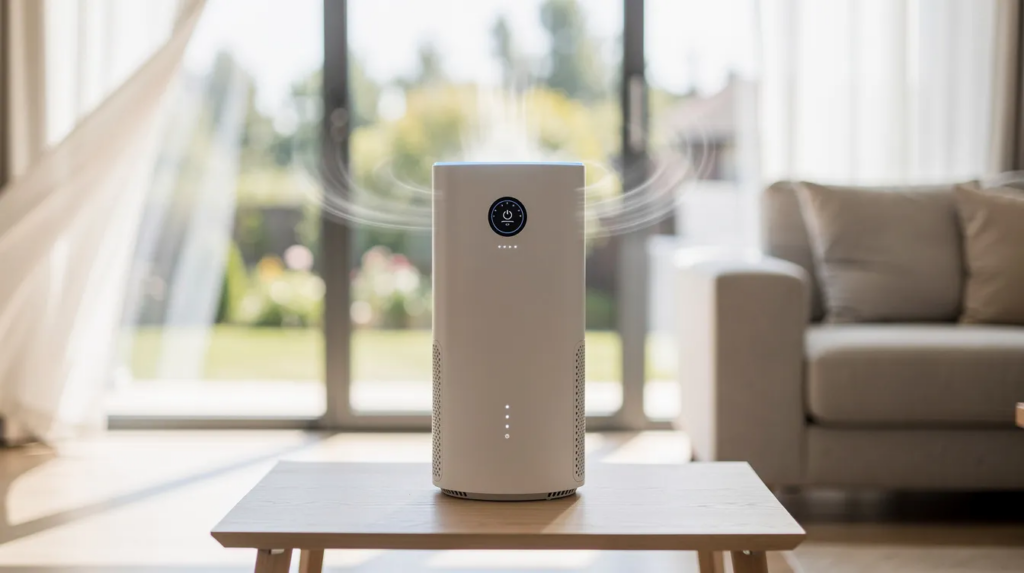
Run a portable air purifier with both true HEPA and activated carbon filters in main living spaces and bedrooms on high for several days. HEPA filters capture airborne smoke and soot particles down to very small sizes, providing meaningful air purification.
Important for Colorado: if outdoor AQI is poor due to active wildfire smoke, keep windows closed and rely on filtered air purifiers instead of fresh air ventilation. Check AirNow.gov or the Colorado Department of Public Health & Environment AQI maps before opening up.
Step 2: Deep Cleaning Hard Surfaces to Remove Smoke Residue
Eliminating smoke odor after a fire requires removing smoke particles and soot residue from every visible and invisible surface. Walls, ceilings, trim, tile, cabinets, window coverings, curtains, and floors all hold onto smoke film.
Start dry. Use chemical sponges for dry cleaning walls and ceilings, or a HEPA vacuum with a brush attachment, to pick up loose soot before any wet cleaning. Wet-cleaning soot first will smear it deeper into the surface.
Take special care around electrical outlets, smoke detectors, doors, and light fixtures. Use slightly damp cloths and avoid saturating those areas.
Our technicians at Bee’s often coordinate with local Colorado restoration contractors so that duct cleaning and surface restoration happen in a logical, effective removal sequence.
Step 3: Your HVAC System and Ductwork - The Hidden Source of Fire Smoke Smell
Many Colorado homeowners clean every surface in the house but overlook the one system that keeps recycling the smoke smell: the HVAC system. If it smells like smoke every time your heating or cooling system turns on, the problem is inside your ducts, furnace, and coil.
During a fire or nearby wildfire, the running HVAC draws smoke into return vents, where soot and odor-laden particles coat duct interiors, the blower fan housing, furnace compartments, and the evaporator coil. Every time the system cycles, it pushes that contamination back out through supply vents into every room.
DIY steps you can take now:
Replace your furnace/AC filter immediately with a high-efficiency pleated filter. Change HVAC filters to high-efficiency MERV 13+ rated filters, as your system supports. A 2025 study on filter media found that mechanical (non-electret) pleated filters maintain filtration efficiency more consistently during smoke events than electrically charged filters, which lose performance quickly under soot loading.
Gently vacuum supply and return grilles with a brush attachment.
Wipe register covers with a damp microfiber cloth and mild detergent.
Remove any visible dust and soot around vent openings in the affected area.
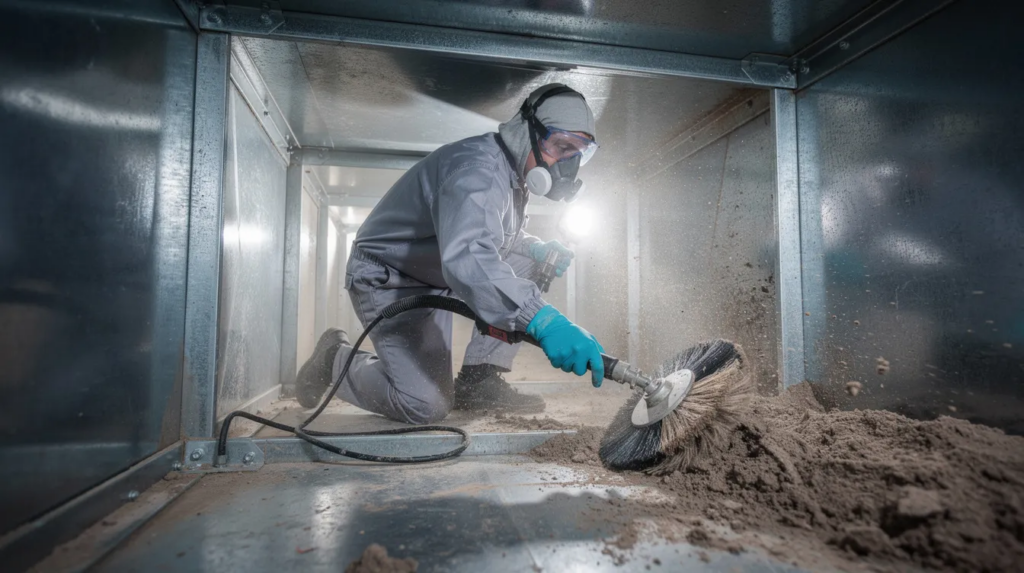
What requires professional help: Internal ductwork cleaning, furnace blower cleaning, and coil cleaning are not DIY tasks. They require specialized negative air machines, rotary brushes, compressed-air whips, and trained technicians. Bee’s Air Duct Cleaning performs full-system HVAC cleaning after fires and wildfire events across Colorado, including all ductwork, furnace cabinet, blower, and AC coil, to restore clean air quality.
We also apply professional odor-neutralizing products via fogging into the duct system. These aren’t fragrances or air fresheners-they chemically break down fire smoke smell trapped inside the HVAC network.
Professional Fire Smoke Odor Removal for Colorado Homes
When should you move beyond DIY? Typically after moderate or major house fires, or when smoke odor persists for weeks despite surface cleaning and filter replacement. Professional odor removal is necessary for severe smoke damage, and professional restoration services can handle significant fire damage that overwhelms household cleaning efforts.
What a professional visit from Bee’s looks like:
Inspection – We assess returns, supply trunks, furnace components, coil, and accessible ductwork to gauge soot accumulation and smoke damage.
Source removal cleaning – Using our proven source removal method, we connect high-powered negative air machines to the plenum and work through every duct run with rotary brushes and compressed-air whips. Professional services use specialized equipment for smoke odor removal that simply isn’t available to homeowners.
Component cleaning – Blower fan, furnace compartments, and evaporator coil surfaces are cleaned to remove the sticky film that keeps emitting fire smoke smell into conditioned air.
Odor neutralization – We apply restoration-grade products (like ODORx 9-D-9) via fogging to treat stubborn odors chemically, not just mask them.
A note on ozone generators: while ozone generators can neutralize odor molecules, they are hazardous to humans and pets. CDPHE explicitly warns against using them in occupied homes. Our fogging approach is safer and more targeted.
Professional cleaning can rejuvenate air quality after fire damage, and our team is experienced with insurance-covered fire damage claims in Colorado. We provide documentation, photos, and service reports for adjusters. Homeowners across the Denver metro, Colorado Springs, Pueblo, and nearby mountain communities can schedule an on-site quote if their whole house smells like smoke whenever the system runs.
Commercial Buildings and Multi-Unit Properties: Restoring Building Air Quality
Property managers, HOAs, and business owners in Colorado face unique challenges when fire smoke impacts shared HVAC systems. Central commercial HVAC systems in offices, schools, and multi-unit residential buildings can distribute smoke odor from one affected area to every suite or floor through shared air handlers and trunk lines.
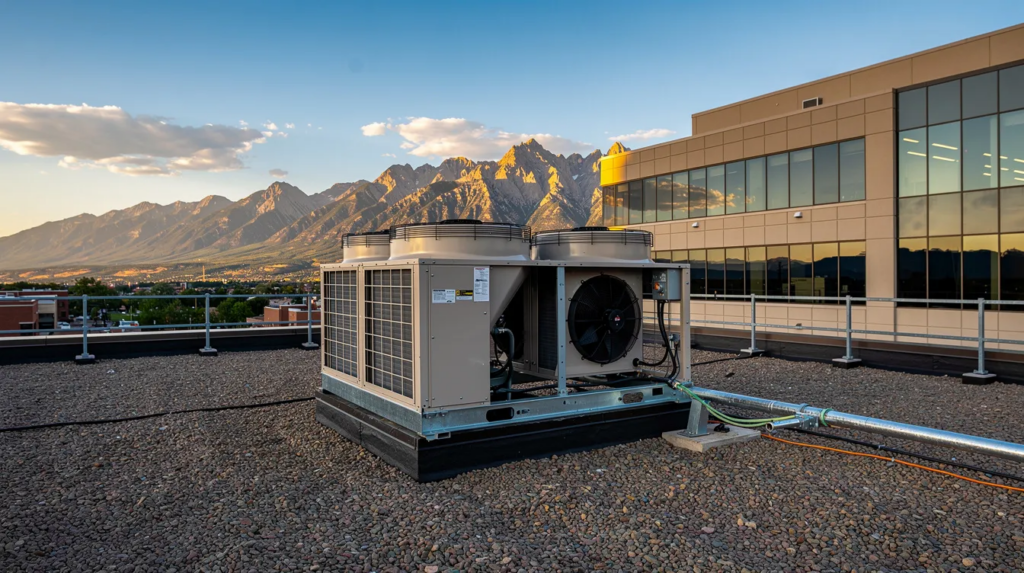
Bee’s Air Duct Cleaning provides commercial HVAC cleaning services that cover large air handlers, rooftop units, main trunks, branch ducts, and VAV boxes. Wildfire smoke from Front Range or mountain fires can infiltrate older commercial buildings through leaky roofs, fresh air intakes, and unsealed penetrations, making duct cleaning and air purification especially important for tenant and employee health.
Facility managers should consider an HVAC performance evaluation after a major smoke event: check HVAC filters, coils, and duct contamination levels to plan a phased deep clean. Upgrading to higher-MERV filters within equipment limits and adding supplemental air purifiers in common spaces and large spaces helps protect everyone from lingering smoke exposure.
Preventing Future Smoke Odor Problems in Colorado
Colorado’s recurring wildfire seasons and dry climate make long-term smoke prevention an essential part of home and HVAC maintenance, not a one-time fix.
Maintenance schedule:
Schedule professional duct cleaning every 3–5 years, or sooner after a fire or heavy wildfire smoke season.
Upgrade to higher-MERV filters and change them more frequently during wildfire season. Even a small fire nearby can load a filter with smoke particles that then off-gas for weeks.
Sealing your home:
Check and replace weatherstripping around doors, windows, and attic hatches.
Seal gaps and penetrations so that less outdoor smoke enters during bad air quality days.
Inspect exterior surfaces and window coverings for signs of smoke infiltration.
Create a “clean room” strategy for active wildfire events: choose one room, run a well-sized HEPA and activated carbon air purifier, seal windows, and tape over obvious drafts for temporary evacuation from the worst air in the rest of the house. This approach can help you get rid of exposure risks during peak smoke days without a full temporary evacuation.
Colorado’s fire seasons aren’t going away, but with clean ductwork, proper filtration, and a maintenance plan, your home doesn’t have to smell like the last one. Contact Bee’s Air Duct Cleaning for a preventative HVAC and duct inspection before the next Colorado fire season-or to finally get rid of the smoke smell that’s been lingering since the last one.
