
If your allergy symptoms seem to worsen indoors – especially when your heating or cooling system kicks on – your air ducts may be part of the problem. Here’s what Colorado homeowners and business managers need to know about how duct cleaning fits into real allergy relief.
Fast Answer: Can Air Duct Cleaning Help With Allergies?
Yes, but with honest caveats. Air duct cleaning can significantly reduce airborne allergens circulating through your home, and it can alleviate allergy symptoms for sensitive individuals. Many allergy sufferers across Denver, Fort Collins, Greeley, and Colorado Springs report noticeable symptom relief after professional cleaning of plugged coils and dirty ductwork – particularly after Colorado’s intense wildfire smoke seasons or during spring pollen surges driven by our dry, windy climate.
That said, duct cleaning is not a medical treatment. The U.S. EPA does not recommend routine duct cleaning unless there is visible mold, pest activity, or excessive debris present. Routine duct cleaning also lacks conclusive clinical evidence that it alone prevents health problems or significantly lowers everyday household dust. But when ducts are genuinely contaminated, cleaning them lowers the overall allergen load indoors, which supports better allergy control as part of a broader strategy.
Bee’s Air Duct Cleaning is a Colorado-based, NADCA-certified company that specializes in air duct cleaning for allergies. As a locally women-owned HVAC cleaning company, we focus on removing the contaminants that matter most to people who struggle through allergy season – and the months in between.
How Air Ducts Affect Allergy Symptoms in Colorado Homes
Most Colorado homes and condos use a forced-air HVAC system. The system pulls air through return vents, heats or cools it, then pushes it through supply ducts into every room. Air cycles through this loop thousands of times per day, and every cycle carries tiny particles with it. Over time, ducts accumulate dust, pet dander, and mold that get circulated back into your living space.
Colorado’s semi-arid climate makes this worse in several ways:
Wind and dust: Frequent high winds along the Front Range – especially in spring and fall – drive fine soil particles and pollen into homes through doors, windows, and building gaps.
Pollen seasons: Tree pollen peaks in early spring, grass pollen in late spring and early summer, and weed pollen in fall. All of it gets pulled into the HVAC system.
Wildfire smoke: Fine particles (PM2.5) from increasingly frequent wildfires settle inside ducts and on coils, becoming airborne irritants every time the system runs.
Recirculation: Even in very tidy homes, regular vacuuming and surface cleaning cannot reach inside ductwork. Dirty air ducts quietly redistribute allergens into the air you breathe, triggering sneezing, congestion, itchy eyes, and asthma flare-ups.
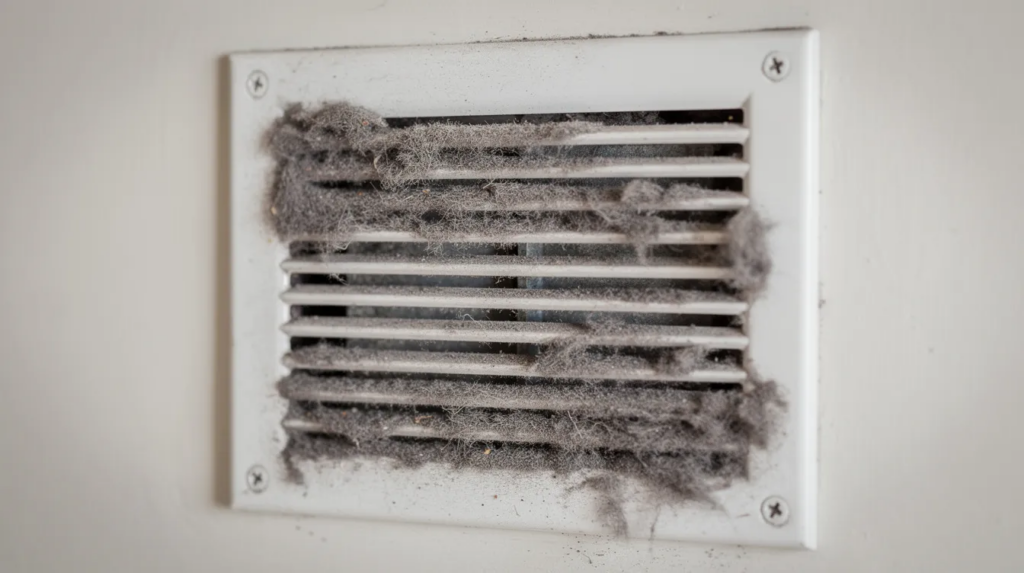
Common Indoor Allergens Lurking in Your Air Ducts
Common indoor allergens include dust, pollen, and pet dander – but the list runs deeper than most people realize. Here’s what collects inside your air duct system and how each contaminant behaves:
Dust and dust mites: Dust in ducts contains dead skin cells, fabric fibers, and fine soil. This material feeds dust mites, whose waste is a potent allergen. Dust mites and mold can thrive in humid environments, compounding poor air quality in basements and poorly ventilated spaces.
Pet dander: Microscopic flakes from dogs and cats cling to duct walls and can remain in ducts for months after pets are gone. Even new homeowners can experience allergic reactions from a previous owner’s animals.
Pollen: Pollen can enter homes through open windows and on clothing – after a hike near Loveland or yardwork in Longmont, it hitches a ride straight into your HVAC ducts.
Mold and mildew: Mold spores can thrive in damp air ducts, particularly around evaporator coils where condensation collects. When mold releases spores into moving air, those spores reach every room connected to the duct system.
Wildfire smoke residue: Smoke particles settle on register grilles, duct surfaces, and inside coils. When the heating or cooling system runs, these fine particles and unpleasant odors re-enter your home’s air, which is why many homeowners in Denver and surrounding cities rely on professional air duct cleaning after heavy smoke events.
Construction dust: Renovations in cities like Denver or Windsor fill ducts with drywall dust, sawdust, and VOC-laden dust particles that irritate the respiratory system, making air duct cleaning after construction an important step for protecting indoor air quality.
It’s also important to note that many allergens come from indoor sources such as carpets, bedding, and pets rather than ducts alone. Duct cleaning addresses one significant reservoir, but not every source.
How Professional Duct Cleaning Helps with Allergies
Professional ductwork cleaning services remove the accumulated debris – dust, pet dander, pollen, and mold spores – from your entire duct system: supply and return lines, main trunks, blower housing, and evaporator coil. Professional cleaning removes dust, pollen, and pet dander from ducts and also removes mold spores from duct systems where moisture has allowed growth.
Reducing this reservoir means fewer airborne allergens with every HVAC cycle. Cleaning ducts can significantly lower dust and particulate matter in your home’s air quality, and air duct cleaning improves HVAC filtration performance – high-efficiency filters work better when they aren’t overwhelmed by a pre-existing load of contaminants. Standalone HEPA air purifiers also become more effective when the background particle count drops.
Duct cleaning should be part of a broader allergy management plan, and choosing a contractor with proper NADCA certification helps ensure the work is performed to industry standards. It pairs well with HEPA filtration, humidity control, and regular housekeeping. No single step eliminates allergies, but source removal – evacuating dislodged debris from the home rather than dispersing it indoors – directly reduces what allergy sufferers inhale with each breath. NADCA sets the industry standard for effective duct cleaning through its ACR guidelines.
Signs Your Allergy Symptoms May Be Coming from Dirty Air Ducts
Not sure if your ducts are the culprit? Compare your situation against these common indicators:
Symptom timing: Allergy symptoms that flare when the furnace or AC turns on, or that feel worse indoors than outdoors even on high-pollen days in Denver or Colorado Springs.
Visible dust: Dust streaking or gray buildup around supply registers, dark rings on walls near vents, or puffs of visible dust when the cooling system runs or the furnace first kicks on.
Musty odors: “Old basement” smells from vents can suggest mold growing in ductwork or on the evaporator coil.
Constant dusting: Increased dusting frequency despite regular cleaning, especially in rooms near main supply trunks.
Special circumstances: Prior water damage near duct runs, rodent or insect activity, recent construction, or years without any professional duct cleaning. Visible dust, debris, or signs of pests in ductwork are clear indicators that cleaning may be required.
What a Proper Allergy-Focused Air Duct Cleaning Includes
A thorough duct cleaning should cover the entire HVAC system including all components and ducts – not just a quick pass at the vents. Here’s what separates a real cleaning from a low-cost “blow-and-go” offer:
Source Removal Method: Bee’s creates continuous negative pressure in the duct system with powerful vacuums while using mechanical agitation tools – brushes, air whips, compressed air nozzles – to safely dislodge debris stuck to duct walls. Everything gets captured rather than redistributed into your living space.
Complete system coverage: Supply and return air ducts, main trunk lines, register covers, blower motor and housing, and the evaporator coil where moisture and dirt can foster mold.
Containment: Technicians seal and protect vents, use access ports where needed, and ensure particles settle in the vacuum collection – not your rooms.
Sanitizing when warranted: EPA-registered sanitizing agents can be applied after confirmed mold growth or pest contamination. Chemical treatments in duct cleaning should be approached with caution to avoid introducing respiratory irritants.
Certification matters: Choosing a certified contractor from the National Air Duct Cleaners Association ensures compliance with industry standards. DIY duct cleaning is not recommended for allergy sufferers because disturbing accumulated debris without proper containment can temporarily worsen indoor air.
Bee's Air Duct Cleaning Services for Allergy Sufferers in Colorado
We built Bee’s Air Duct Cleaning around the idea that cleaner air changes how people feel in their own homes. We serve Northern Colorado and the greater Front Range with NADCA-certified technicians and over a decade of specialized HVAC cleaning experience, offering dryer vent and HVAC air duct cleaning services tailored to local homes and businesses.
Our residential air duct cleaning covers whole-home systems in single-family homes, townhomes, and condos across Fort Collins, Greeley, Windsor, Loveland, Longmont, and surrounding communities, and we also provide Boulder air duct cleaning services for nearby Front Range homeowners. For businesses, our commercial air duct cleaning serves offices, medical clinics, schools, and other facilities where staff and visitors need a healthier environment to stay comfortable and productive.
For allergy-focused projects, we inspect the furnace cabinet, evaporator coil, and all accessible duct runs to locate allergen reservoirs and moisture issues before we start cleaning. We also offer dryer vent cleaning, which improves safety and reduces excess lint dust that can migrate into living areas and aggravate sensitive respiratory systems.
If you’re struggling with persistent seasonal allergies or indoor allergies at home or work, you can request a free air duct cleaning cost quote or contact Bee’s Air Duct Cleaning directly for an inspection.

Making Duct Cleaning Part of a Bigger Allergy Relief Plan
Clean air ducts are one pillar in a strategy to reduce allergy symptoms and improve indoor air quality. To get lasting results, combine professional cleaning with these practical steps:
Upgrade filtration: Use HEPA filters to trap 99.97% of allergens, or high-MERV filters (MERV 11–13) sized correctly for your system. High-efficiency filters should be used to help maintain cleaner air between cleanings. Change air filters regularly to maintain HVAC efficiency – quarterly during dusty Colorado seasons.
Add air purifiers: Use air purifiers in high-traffic rooms and bedrooms to capture remaining airborne particles between duct cleanings.
Control indoor humidity: Humidity control is crucial to prevent dust mites and mold growth in homes. Keep levels moderate (30–50%), especially in basements and around evaporator coils in Colorado’s fluctuating climate.
Schedule routine maintenance: Schedule HVAC inspections every 3–5 years for maintenance, and clean air ducts every 1–2 years if allergies are severe. Catching small problems like condensation, duct leaks, or damaged insulation early prevents them from becoming major air quality issues.
No single action will prevent allergies entirely. But coordinated efforts – including professional air duct cleaning from a certified HVAC company – can substantially reduce common indoor allergens and deliver real, lasting allergy relief for your home or workplace.
