
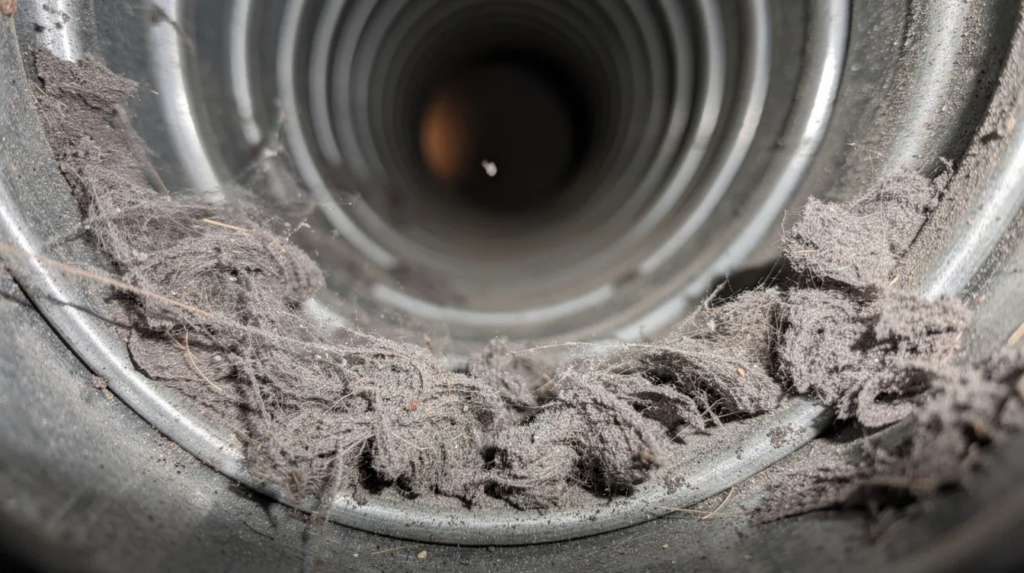
Why Your Dryer Takes Two Cycles to Dry (Answer First)
If your electric dryer used to dry clothes in a single cycle but now leaves laundry damp after 60 minutes, you’re not alone. Across Colorado, homeowners deal with a dryer taking two or even three rounds before a load is actually dry. The frustrating part? The machine feels hot, the drum is spinning, yet everything comes out warm and wet.
The most common cause is a clogged dryer vent or restricted dryer duct and not a broken appliance. Before calling for appliance repair, consider these top culprits:
- Clogged dryer vent or blocked exterior vent hood
- Crushed or kinked dryer duct behind the unit
- Lint-packed lint screen or lint trap
- Overloading the dryer drum
- Failing heating element or tripped thermal fuse
- Moisture sensors coated with residue
Most dryer issues are related to restricted airflow rather than heating problems. When airflow is blocked, hot moist air stays trapped inside the drum, so clothes tumble in heat but moisture has nowhere to go. The drying process stalls, and you hit “start” again. When blockages are the issue, Bee’s Air Duct Cleaning provides professional dryer vent cleaning throughout Northern Colorado to restore proper airflow.
How Your Dryer Ventilation System Is Supposed to Work
Understanding your dryer ventilation system helps explain why a single clogged section can double your drying times. In a typical electric dryer, a heating element warms incoming air, the dryer drum tumbles your clothes through that warm air, and a blower fan pushes hot, moist air out through the exhaust path.
That exhaust path in a Colorado home usually includes four parts: the lint screen inside the dryer door, a flexible hose or transition vent hose behind the dryer, an in-wall dryer duct (a rigid metal pipe running through the wall, floor, or ceiling), and an exterior vent hood with a flap that opens when air is coming through. A blocked exhaust vent at any point along this path can trap moist air and slow drying significantly.
Good airflow matters just as much as enough heat. Many modern dryers rely on moisture sensors that measure how quickly exhaust air dries out. If the vent line is obstructed, those sensors can’t do their job effectively, and cycles either run too long or end with damp clothes. Along the Front Range, long vent runs with multiple elbows, which is common in basements venting to second-story rooftops and are especially prone to lint buildup and poor airflow.
Most Common Reasons a Dryer Takes Two Cycles to Dry
Long drying times generally come down to three categories: airflow problems, heat problems, or user and maintenance habits. Here are the most frequent causes:
- A clogged dryer vent or blocked vent that restricts exhaust flow
- A clogged lint screen that restricts airflow and causes inefficiency
- A crushed or disconnected flexible duct behind the dryer
- Overloading the dryer drum, which prevents proper air circulation
- Loads that are excessively wet because washing machine spin cycle issues leave clothes saturated
- A broken heating element that causes longer drying times
- Moisture sensors that misread levels due to residue buildup from fabric softeners or dryer sheets
A dryer that feels hot on the outside, where the top and sides are warm to the touch, yet still needs two cycles to dry clothes points strongly to a clogged dryer vent, not a weak heating element. Overloading the dryer increases drying times significantly and forces the appliance to work harder on every cycle. Faulty heating elements can also cause longer drying cycles, though this is less common than vent blockage.
Ignoring these problems wastes energy, shortens appliance lifespan, and creates a real fire hazard. Clogged dryer vents can cause fire hazards because trapped lint is highly combustible, and similar airflow and contamination issues in your HVAC system are among the common problems professional air duct and dryer vent cleaning solves.
Airflow Killers: Clogged Dryer Vents, Duct Problems & Lint Buildup
Restricted airflow is the number one reason Colorado homeowners contact Bee’s Air Duct Cleaning about dryers that suddenly need two cycles. Even if you remove lint from the lint trap after every load, debris deeper in the system gradually accumulates lint, pet hair, and dust turn a clear vent into a serious blockage over time.
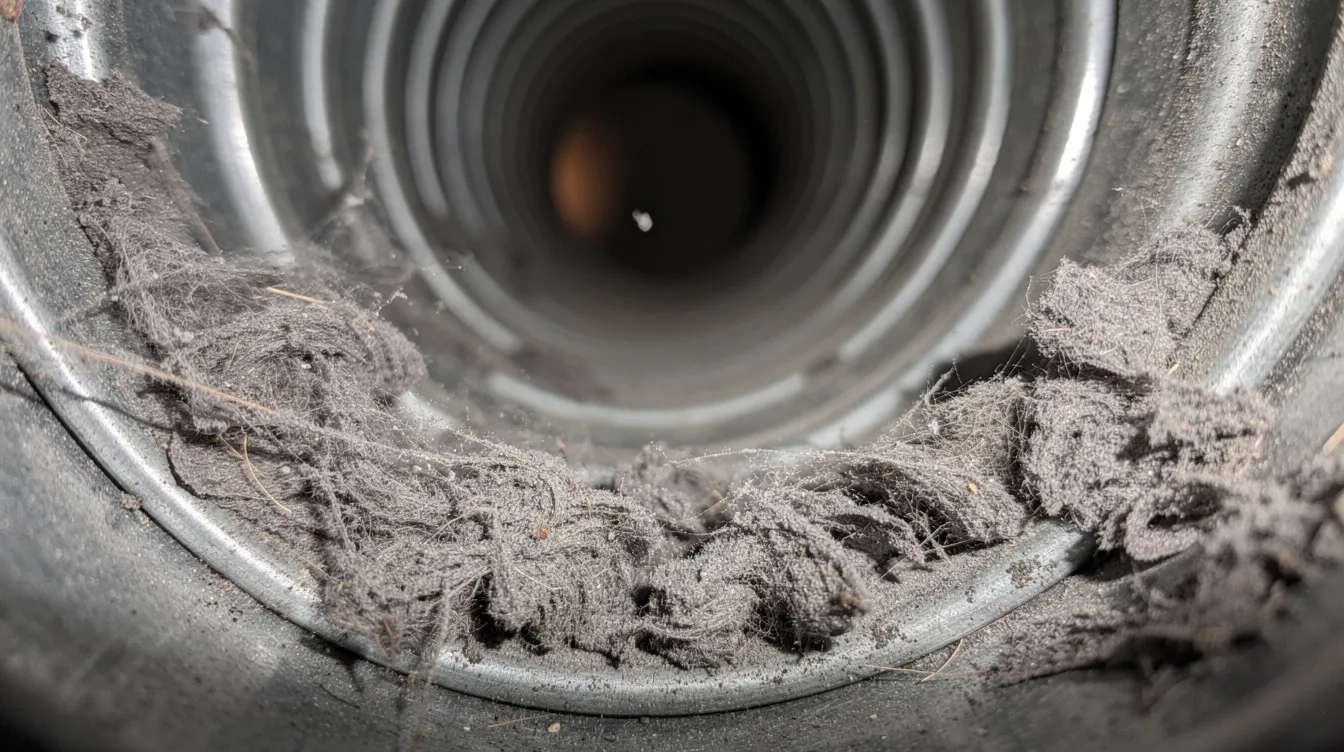
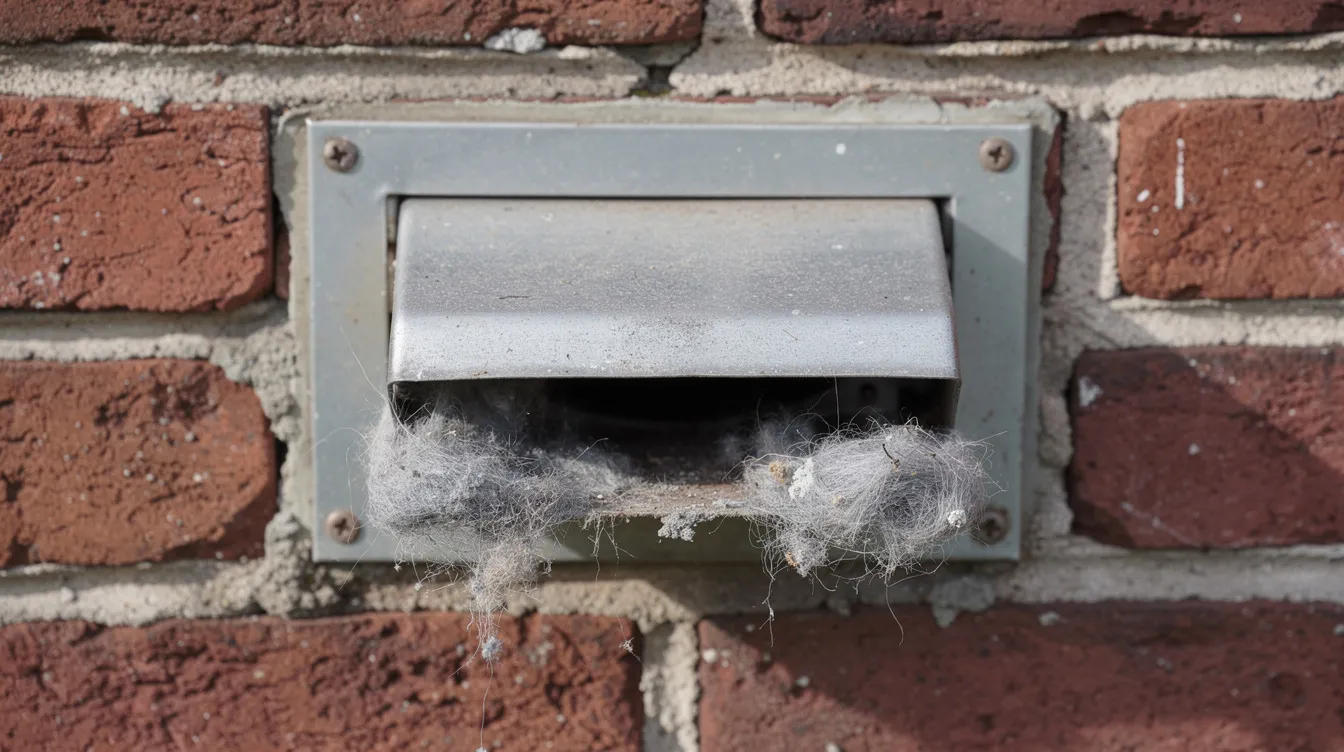
Typical scenarios we see across Northern Colorado include long vent runs through basements or crawlspaces, ducts with three or more elbows, and vents that exhaust to the roof in multi-story homes, where calling a locally owned, NADCA-certified air duct and dryer vent cleaning company is often the safest option. Symptoms are distinctive: clothes come out hot but still damp, the outside vent flap barely moves, the laundry room feels unusually humid, there’s a burning smell or musty odor from the dryer, and you see lint collecting around the exterior vent hood.
Beyond a clogged vent, other airflow restrictions include a crushed or sagging foil duct behind the dryer, duct joints that have come loose inside the wall, and makeshift exhaust setups venting into garages or crawlspaces. Avoid using flexible plastic transition ducts because they sag, trap lint, and violate most building codes for dryer vents. A clogged lint screen also restricts airflow and causes inefficiency, and using dryer sheets can leave a waxy film on the lint filter that makes a “clean” screen act clogged.
Severe lint buildup inside the dryer vent and duct is a documented fire hazard. According to USFA data, an estimated 2,900 clothes dryer fires occur annually in U.S. residential buildings, with failure to clean as the leading contributing factor in roughly 34% of those incidents, a reminder that commercial properties also benefit from professional commercial air duct cleaning services to manage similar risks. Regular vent cleaning improves dryer efficiency and directly reduces this risk, much like post-fire HVAC and duct cleaning that removes smoke, soot, and residues helps restore safe indoor air after a fire.
Heat & Component Issues: When the Problem Isn’t Just the Vent
While a clogged dryer vent is the most common culprit, some dryers take two cycles because the heating system inside the unit isn’t delivering consistent heat. The heating element in an electric dryer is a resistance coil that draws 240 volts and cycles on and off to maintain temperature in the dryer drum.
Typical heating-related issues include:
- Partially failed heating element – coil breaks reduce output, so the dryer runs but never generates enough heat
- Tripped high-limit thermostat or thermal fuse – these safety devices cut power to the element when overheating is detected, often triggered by poor airflow
- Faulty temperature sensor – causes erratic heating cycles
- Weak blower wheel – can’t move air through the space efficiently
A simple at-home check: run your electric dryer for 10–15 minutes, then walk outside and hold your hand near the exterior vent. Strong, hot airflow with clothes still damp points to a vent blockage. Weak or cold air coming out with normal drum rotation points to a failed heating element or internal problem. Faulty heating elements prevent dryers from producing heat entirely, and testing a heating element requires a multimeter for continuity.
Electric dryers use two circuit breakers for the motor and heating element. If one leg of the double-pole breaker trips, the drum spins but the element never energizes, a surprisingly common issue. For internal heater, thermostat, or control board problems, contact a professional appliance repair technician. Bee’s Air Duct Cleaning focuses on the dryer vent, dryer duct, and the ventilation system side of performance, and their broader Colorado ductwork cleaning services help improve airflow and indoor air quality throughout the home.
User Habits & Simple Maintenance That Affect Drying Time
Not every dryer taking too long to dry clothes signals a serious fault. Your laundry routine and minor maintenance habits make a noticeable difference in every drying cycle, just as regular HVAC upkeep and air duct cleaning for allergy-related dust and dander can make a difference in overall comfort.
Overloading is one of the easiest problems to fix. Overstuffing restricts airflow and prevents proper drying because clothes can’t tumble freely. Excessive loads can also damage the dryer’s motor and components over the long run. Follow your manufacturer’s instructions for load capacity, which can genuinely improves drying efficiency.
Lint screen care goes beyond a quick swipe. Cleaning the lint filter after each load is essential for performance, and inspecting the lint filter regularly can prevent extended drying times. Periodically wash the screen with mild soap and water, then dry with a soft cloth to remove invisible film from fabric softeners. Regular lint filter maintenance reduces fire hazards significantly.
Dryer sheet residue can also coat the moisture sensor bars inside modern dryers. These bars are typically located near the lint screen housing. Wipe them down with rubbing alcohol every few months to restore accurate readings and prevent cycles that end too early.
If your washer doesn’t spin out properly, clothes enter the dryer already saturated, making even a perfectly functioning machine seem weak. A simple monthly check for Colorado homeowners: inspect the lint screen, peek behind the dryer for a crushed hose, and look at the exterior vent hood while the dryer runs to confirm strong airflow.
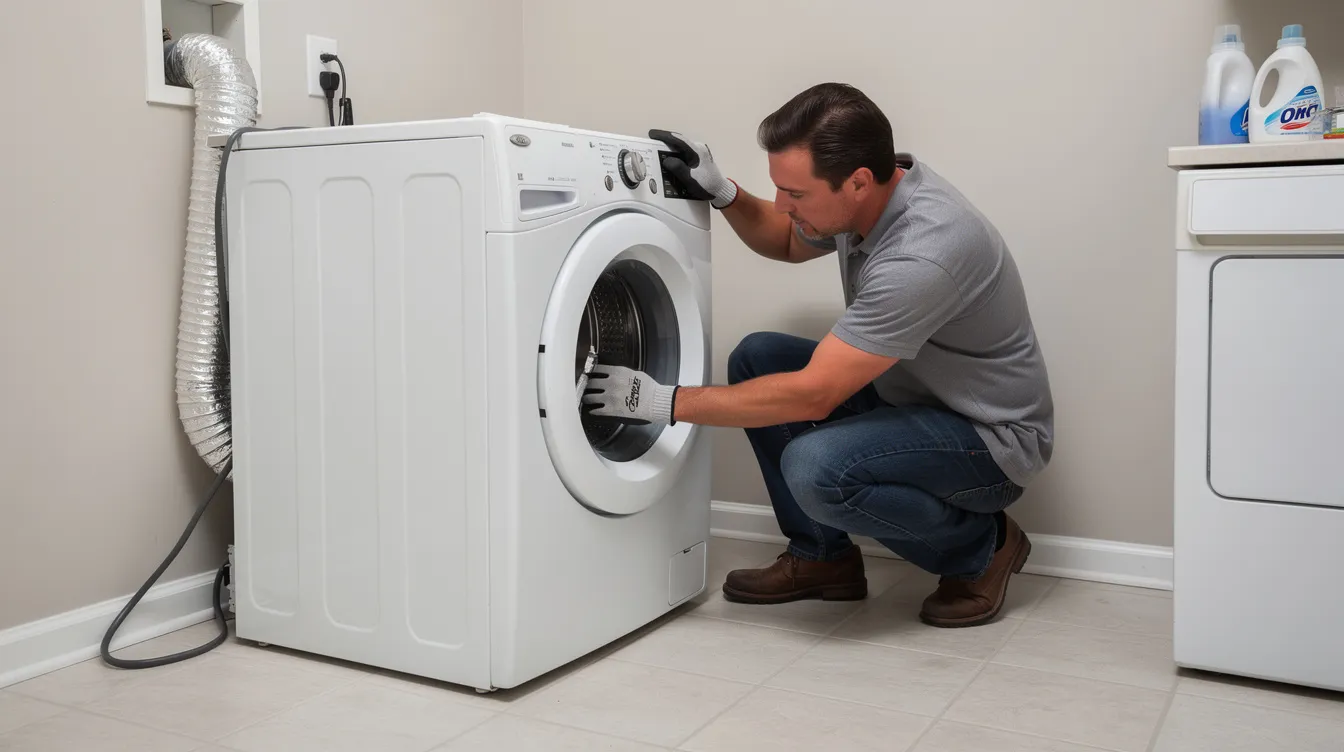
Warning Signs You Have a Clogged Dryer Vent (Time to Stop Using the Dryer)
A severely clogged dryer vent isn’t just inconvenient, it’s a common source of house fires. Watch for these symptoms:
- Dryer taking two or three cycles to fully dry a standard load
- Very hot top or sides of the dryer cabinet
- A burning smell – lint or hot plastic odor during operation
- Lint collecting around the outside vent hood
- Vent flap barely opening when the dryer runs
- Laundry room feels excessively hot and humid
If your laundry space in Fort Collins, Greeley, Loveland, or other Northern Colorado communities feels like a sauna while the dryer is running, restricted airflow through the vent is highly likely. Homeowners in nearby areas such as Boulder can also benefit from comprehensive duct, dryer vent, and furnace cleaning services to improve airflow and system performance. Clothes that are extremely hot to the touch but still damp at the end of a normal cycle signal trapped moisture and a likely clogged dryer.
Stop using the dryer immediately and unplug it if you notice strong burning odors, smoke, or dangerously hot exterior surfaces. These warning signs connect directly to the risk of lint ignition inside the dryer duct. Inspect dryer vents at least once a year, and don’t wait if any of these red flags appear.
Safe DIY Checks vs. When to Call Bee’s Air Duct Cleaning in Northern Colorado
Some basic checks are safe and smart to do yourself, but deeper cleaning of the full vent line is a job best left to trained technicians with the right equipment, especially when it’s part of whole-home air duct and dryer vent cleaning services that address both the dryer and HVAC system.
Safe DIY steps:
- Empty and wash the lint screen; use a vacuum cleaner to clear lint from the screen housing
- Verify the dryer isn’t overloaded and follow load capacity guidelines
- Check that the flexible hose behind the dryer isn’t crushed, kinked, or disconnected
- Walk outside while the dryer runs and confirm warm air flowing freely from the vent hood
Avoid pushing the dryer too far from the wall, climbing steep roofs, or using improvised tools that could puncture or disconnect the duct inside the wall. If your vent pipe runs through multiple stories or you can’t see the full path, it’s time for professional help from Northern Colorado dryer vent and HVAC air duct cleaning specialists.
Bee’s Air Duct Cleaning uses high-powered vacuums and rotary brushes designed for dryer ducts to clean the full run of the vent – removing lint, dust, and debris that DIY methods can’t reach. Our technicians spot damaged or unsafe ducting and help restore airflow so your dryer does its job effectively, often on the same day.
Most homes benefit from professional dryer vent cleaning every one to two years. Annual service is recommended for large families, heavy laundry use, long vent runs, or homes with pets. If you’re planning HVAC work, it helps to know how long a full air duct cleaning visit typically takes so you can schedule dryer vent service alongside periodic air duct cleaning and HVAC maintenance to protect indoor air quality, reduce energy cost, and keep your whole system running efficiently.
Ready to find out if a clogged vent is behind your long drying times? Contact Bee’s Air Duct Cleaning for an inspection or dryer vent cleaning appointment, we serve homeowners and property managers throughout Northern Colorado.
