
Musty Smell From AC: Quick Answers for Colorado Homeowners
Many Northern Colorado homeowners notice a musty smell from air vents the moment their air conditioner kicks on in late spring. After months of sitting idle through winter, your HVAC system can develop odors that have nothing to do with outdoor air and everything to do with what’s happening inside the equipment itself.
A musty smell from AC vents usually comes from mold, mildew, or bacteria growing somewhere inside the system. Moisture and darkness inside HVAC components create ideal conditions for microbial growth, and when the blower starts pushing air through, those odors reach every room in your house.
The most common culprits include:
- Wet or dirty evaporator coils holding condensation mixed with dust and organic matter
- A clogged drain pan or blocked condensate line trapping standing water
- Dirty air ducts carrying debris accumulation that absorbs humidity and develops odor
- Excess moisture trapped in the HVAC system from poor drainage, leaks, or high indoor humidity
Musty air does not always mean you have toxic mold. But it does mean something inside your system needs attention before the problem gets worse. Bee’s Air Duct Cleaning serves Northern Colorado homes with professional ductwork and evaporator coil cleaning when basic homeowner checks don’t solve the smell, backed by locally based, NADCA-certified technicians.
Why Your AC Smells Musty When It First Turns On
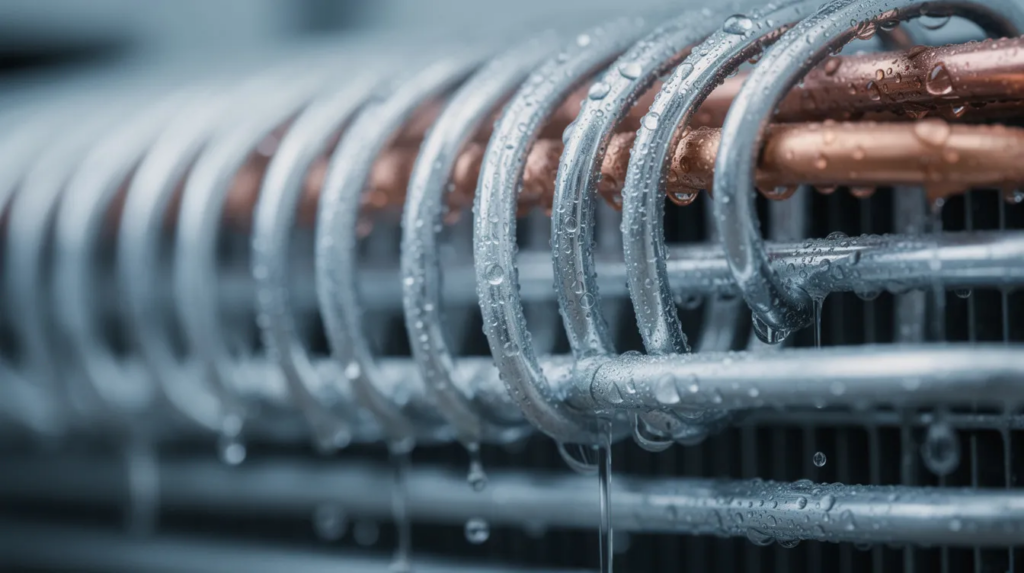
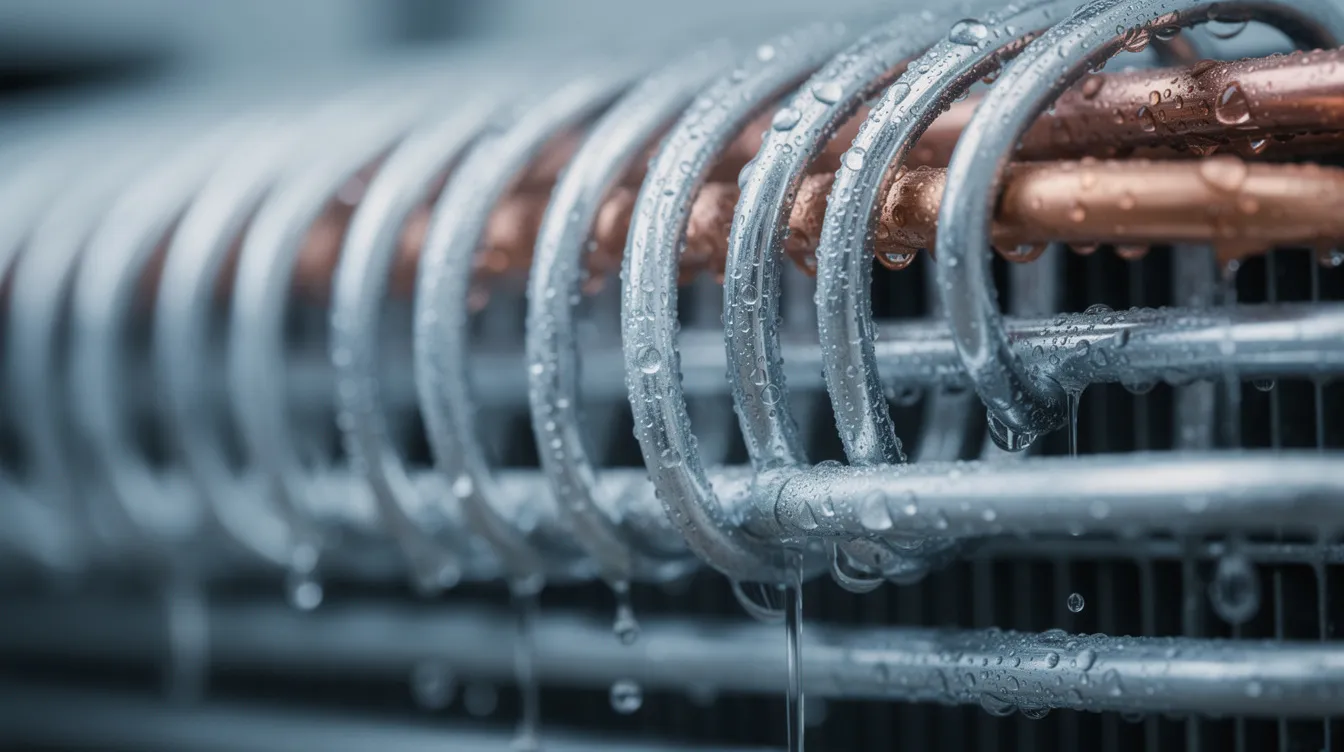
Here’s what happens every time your AC unit runs: warm indoor air gets pulled through return ducts, passes over the cold evaporator coil inside your air handler, and moisture condenses on the coil’s aluminum fins. That water drips into a drain pan and exits through a condensate line. It’s a normal process, but it leaves surfaces perpetually damp during the cooling season.
When the system sits unused over a Colorado winter, residual moisture, dust, and organic matter don’t just evaporate. They sit. Mold and mildew thrive in warm, humid HVAC environments, and that stagnant film is exactly what produces the musty odor you smell on first startup.
Typical Colorado scenarios that make this worse:
- First AC use after months of heating-only operation, giving moisture and debris time to settle
- Long gaps between cooling cycles during mild shoulder-season days
- Doors and windows kept sealed during wildfire smoke events, trapping warm air and humid air indoors with no fresh air supply
- Excess humidity or condensation building up in basements or crawlspaces near the system
A faint odor that disappears after a few minutes on the first run of the season is usually harmless. Persistent odors that return every time the system cycles point to a specific, addressable problem deeper in the equipment.
Common Sources of Musty Smells Inside the HVAC System
Before you can fix a musty smell, you need to find the actual source. Think of your HVAC system as a chain of components, and the odor can originate at any link – or from several at once. Moisture buildup inside HVAC components creates musty odors, and dust and debris in ducts can contribute to musty smells even when no single part looks terrible on its own.
The main odor sources to investigate:
- Evaporator coil – the indoor coil where condensation forms and biological growth develops
- Drain pan and condensate line – where standing water breeds bacteria and algae
- Air filters – where trapped pet dander, pollen, and dust absorb moisture
- Ductwork – where debris accumulation meets humidity and creates a food source for microbial growth
You may also hear the term dirty sock syndrome – that locker-room smell coming from bacterial or fungal growth on the evaporator coil, not from actual laundry. It’s one of the most common AC-related odors and a clear sign the coil needs attention.
When tracking down smells, ask two questions: Where is moisture collecting? and Where is dust or organic matter sitting in that moisture?
Evaporator Coil, Drain Pan, and Moisture Problems
The indoor evaporator coil usually sits inside your furnace or air handler in a basement, closet, or mechanical room. Evaporator coils absorb heat and humidity from indoor air, and during operation, the coil surface stays cold enough (typically 35°F–45°F) that water droplets form continuously on its aluminum fins.
Over time, airborne particles like dust, pet hair, and pollen stick to those wet surfaces. That combination of condensation and organic matter becomes a breeding ground for bacteria. Dirty evaporator coils can cause musty odors throughout your home, and moisture on evaporator coils can lead to mold growth if left unchecked. Evaporator coils require regular coil cleaning to prevent these odors from developing.
The drip pan beneath the coil catches condensation and routes it outside through the condensate line. Problems arise when:
- Algae, sludge, or rust builds up inside the drain pan, producing stale or earthy smells
- A clogged drain line causes standing water to stagnate, and blocked condensate drains lead to moisture accumulation that overflows into the air handler cabinet
- Restricted airflow from a dirty air filter causes the coil to freeze; when ice melts, water and trapped debris flood surrounding surfaces
Warning signs to watch for: gurgling or dripping sounds near the furnace, standing water around the base of the air handler, moisture stains on nearby drywall, or a persistent musty odor directly at the indoor coil compartment.
These issues hurt more than comfort. Reduced cooling, ice on refrigerant lines, and higher energy bills often accompany evaporator coil and drain problems.
Dirty Air Ducts, Air Vents, and Musty Air in the Home
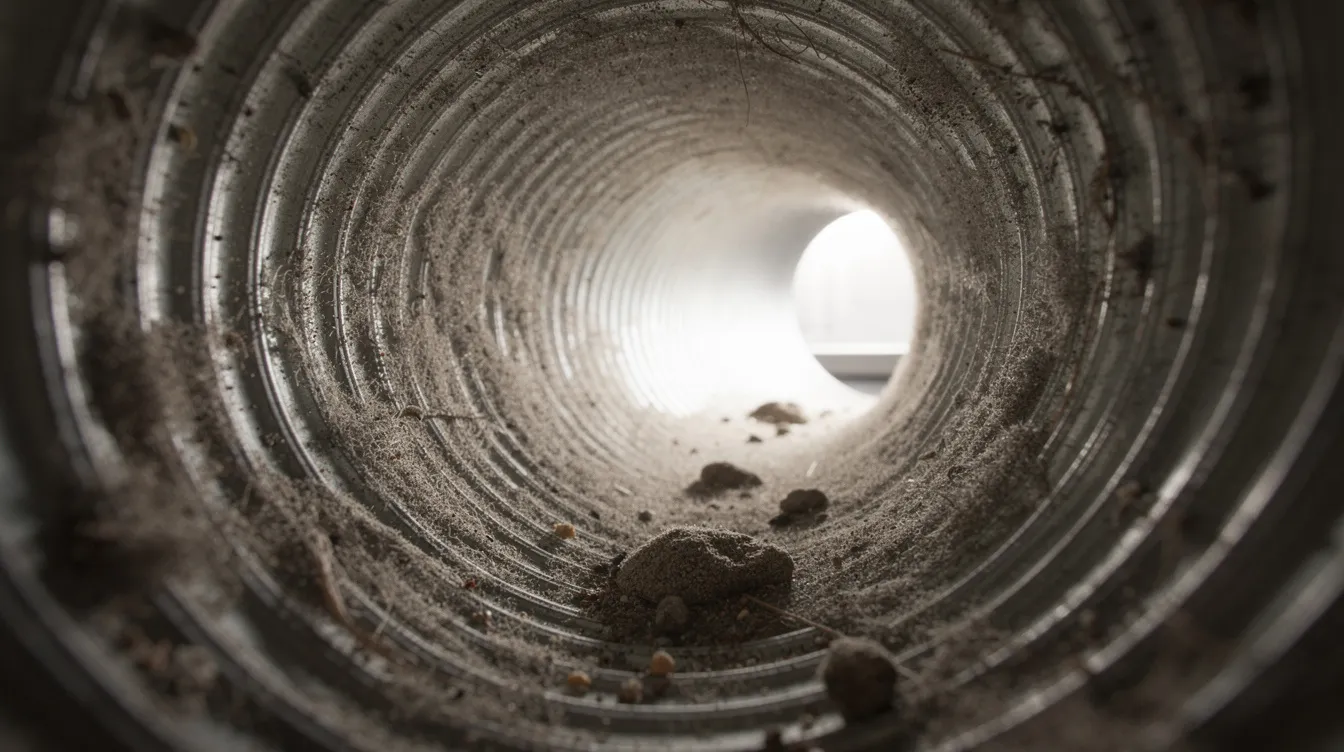
Your duct system moves conditioned air through supply and return lines to every room. Over years, dirty air ducts become odor reservoirs as construction dust, pet dander, fireplace soot, and even wildfire-season particulates settle on interior surfaces.
Mold or mildew can grow inside ductwork, particularly in humid or dusty areas. Dirty air ducts alone don’t always smell, but when excess moisture from condensation, small leaks, or high humidity enters the picture, that dust becomes a platform for mildew growth mold and bacteria. Dirty air ducts can cause unpleasant odors that reach every living space in your home.
Homeowner-visible clues that dirty air ducts are contributing to musty smells:
- Dark dust streaks around air vents or supply registers
- Visible puffs of dust when the system first starts
- Stronger odor from specific vents or one level of the house
- Buildup inside vent covers when you remove them for inspection
Older ductwork, ducts running through unconditioned attics or crawlspaces, and poorly insulated ducts are more prone to condensation and persistent odors.
Bee’s Air Duct Cleaning performs ductwork cleaning and inspections across Northern Colorado, focusing on removing dust, debris, and microbial film from interior duct surfaces as part of its broader Northern Colorado air duct cleaning services. Professional air duct cleaning improves indoor air quality and air duct cleaning can eliminate musty odors from HVAC systems when the ducts are part of the problem.
Does a Musty Smell Always Mean Mold? Moisture vs. Mold
Not every musty smell means you have a mold problem, but every musty smell means moisture is somewhere it shouldn’t be.
Moisture-only problems produce a damp, stale, or earthy odor that often fades when the system dries out between cycles or after the first run of the season. Mold-related issues tend to produce stronger, persistent odors that worsen over time, sometimes localized to specific vents, and occasionally accompanied by visible discoloration or spotting inside equipment.
Humidity levels above 60% increase the risk of mold growth. The EPA recommends addressing moisture problems rather than just cleaning ducts, because without solving the root cause, microbial growth returns, and many homes ultimately need professional mold remediation for contaminated ductwork.
Health effects are worth taking seriously. Mold in HVAC systems can trigger respiratory issues, musty air can worsen asthma symptoms and allergies, and long-term exposure to mold spores can cause bronchitis. Dirty HVAC systems can also lead to headaches and fatigue. Mold spores in air irritate the respiratory system even when you can’t see visible colonies.
Consider professional inspections when:
- There’s a history of leaks or flooding near ducts or the furnace
- You see discoloration or spotting inside the air handler compartment
- Allergy symptoms improve when you’re away from home
- Odors persist despite filter changes and basic cleaning
Odor removal and thorough cleaning alone will not solve problems caused by ongoing water intrusion, roof leaks, foundation seepage, or chronically high indoor humidity levels.
What Homeowners Can Safely Check and Clean Themselves
Before calling a professional, here’s a practical checklist of safe steps. Always turn off power to your HVAC system before inspecting components.
- Check and replace air filters first. Dirty or damp air filters can develop a musty smell and restrict airflow, which causes the evaporator coil to stay wetter longer. Change air filters every 1–3 months – more often during wildfire smoke seasons or in homes with pets.
- Inspect supply and return air vents. Remove vent covers, gently vacuum dust, and wipe surfaces with a damp cloth. You can use baking soda to neutralize odors on vent surfaces. Avoid pushing debris deeper into ducts.
- Look around the air handler or furnace. Check for standing water near the drain pan area, signs of a clogged condensate line, or rust and corrosion at the base of the unit.
- Flush the condensate drain line. Flushing the condensate drain line with white vinegar can help eliminate musty odors and clear minor blockages.
- Check nearby moisture sources. Damp crawlspaces, wet basement carpet, unvented bathrooms near return vents, and whole-house humidifier settings that are too high can all feed humid air into the system. Monitor indoor humidity with an inexpensive hygrometer.
- Seal duct leaks promptly where accessible to prevent moisture accumulation from unconditioned spaces; targeted duct and dryer vent cleaning also helps resolve odor, moisture, and airflow problems in home HVAC systems.
What not to do: Don’t open sealed refrigerant components. Don’t aggressively scrub delicate evaporator coil fins. Don’t spray household chemicals into ductwork or the furnace cabinet, as improper chemicals can damage components or create new air quality problems.
When Professional HVAC and Duct Cleaning Makes Sense
When musty smells persist despite filter replacement and basic cleaning, the problem usually lives on the evaporator coil, inside the drain pan, or deeper in the ductwork, all places that require professional tools and training to address safely.
A professional visit from Bee’s Air Duct Cleaning typically covers:
- Evaluating the evaporator coil for biofilm, debris, and dirty sock odors
- Checking the drain pan and condensate line for blockages and biological growth
- Inspecting accessible ducts and plenums for contamination
- Assessing overall indoor air quality concerns and airflow patterns
Bee’s evaporator coil cleaning service uses coil-safe cleaners to remove buildup from coil surfaces, followed by clearing the drain pan and drain line to address excess moisture at the source, which can also support cleaner air and reduced allergy triggers. For ductwork, Bee’s connects specialized negative-pressure vacuums and uses agitation tools to extract dust, pet hair, and debris accumulation – the same source removal method that prevents contaminants from entering your living spaces during cleaning.
Routine duct cleaning is essential for preventing mold growth, and cleaning ducts can reduce allergens and respiratory issues for sensitive family members; homeowners often ask how long a thorough duct cleaning visit takes when planning their maintenance. Beyond odor removal, clean ducts improve airflow, deliver more even temperatures, reduce dust on surfaces, and support better energy efficiency.
Professional inspections also identify non-cleaning issues – duct leaks, insulation damage, poorly sloped drain lines, or heat pump and system design problems – that may need an HVAC contractor to correct, and similar expertise applies when planning commercial air duct cleaning for Colorado businesses. Cleaning alone cannot fix structural or drainage flaws.
Preventing Musty Smells From Coming Back
Once the problem is resolved, prevention comes down to moisture control and regular maintenance, whether your home is in Fort Collins, Boulder and the surrounding Northern Colorado communities, or elsewhere along the Front Range.
- Replace air filters on schedule. Every 1–3 months depending on pets, dust levels, and wildfire smoke exposure. Clogged filters contribute to excess moisture and musty odors by restricting airflow over the coil.
- Schedule periodic professional inspections. Schedule annual HVAC inspections to identify moisture issues early. Consider duct cleaning every few years – more often in dusty, high-pet, or renovation-active households.
- Monitor indoor humidity. Maintain indoor humidity levels between 30–50% to prevent mold, even during Colorado’s monsoon storms or snowmelt season. A simple hygrometer tells you where you stand, and homeowners in mountain communities like Estes Park benefit from regular duct and coil maintenance to keep humidity-related odors under control.
- Ensure proper drainage and ventilation. Confirm condensate lines discharge correctly, keep floor drains clear, use bathroom and kitchen exhaust fans, and address any foundation or roof leaks that add moisture near the duct system; don’t overlook dryer vent cleaning to improve airflow and reduce moisture buildup.
- Reduce organic material in the system. Upgraded filters, timely changes, and clean ducts limit the food source that makes dirty sock syndrome and microbial growth possible, creating a healthier home environment.
If you want a professional plan to keep musty smells from returning, contact Bee’s Air Duct Cleaning for a Northern Colorado home air duct cleaning or evaporator coil cleaning evaluation, whether you’re in the Denver metro area seeking full HVAC and duct cleaning services or dealing with smoke-related odors after a wildfire and need post-fire HVAC system restoration.
Musty AC Smell FAQs for Colorado Homes
- Why does my AC smell musty only when it first turns on? Moisture and organic matter sit on the evaporator coil and in the drain pan while the system is idle. When AC turns on, the blower pushes air over those damp surfaces, mobilizing the musty odor. If it clears after a few minutes and doesn’t return, it’s usually minor. If it persists, something needs cleaning or repair.
- Can dirty air ducts cause musty smells? Yes. When dust and debris accumulation inside ducts meets humidity or small moisture leaks, it supports mildew and bacterial growth that produces musty smells from air vents. This is especially common in ducts running through crawlspaces or unconditioned attics.
- Is it safe to breathe musty air from vents? Short exposure to faint odors isn’t typically dangerous, but persistent musty air with AC running can carry airborne particles and mold spores that worsen allergy symptoms, asthma, and respiratory irritation. Don’t ignore ongoing odors.
- Will air duct cleaning alone fix dirty sock syndrome? Not always. Dirty sock syndrome usually originates on the evaporator coil, not in the ducts. A thorough cleaning of the indoor coil, drain pan, and ducts together addresses the root cause. If moisture problems persist, the odor will return.
- When should I call a professional for musty smells from my AC? If replacing your filter, clearing the condensate line, and checking for nearby moisture sources doesn’t eliminate unpleasant odors within a cycle or two, it’s time for a professional evaluation. Visible moisture damage, worsening health symptoms, or odor from specific vents are all strong reasons to call.
Bee’s Air Duct Cleaning helps Northern Colorado homeowners determine whether the problem is dirty air ducts, an evaporator coil issue, or another moisture source in the HVAC system, including unusual contamination issues like cat or rodent urine lingering inside ductwork. Every job is performed by a NADCA-certified technician focused on finding and resolving the actual source of your home’s air quality problem.
