
Colorado’s dry climate, seasonal wildfires, and booming construction activity create unique challenges for keeping your home’s air clean. This guide walks you through what cleaning ducts actually involves, when to tackle light maintenance yourself, and when to call in a professional team with the right tools and training.
Answer First: Should You Clean Your Ducts – DIY or Professional in Colorado?
For most Colorado homeowners, the answer comes down to scope. Wiping down registers with a microfiber cloth and replacing your air filter every one to three months are simple tasks you can handle on your own. But when the goal is to clean air ducts deep inside your duct system, breaking contaminants loose from trunk lines, cleaning the blower, and clearing dust off the evaporator coil-you need professional cleaning with specialized equipment.
Colorado presents specific scenarios where air duct cleaning services are not optional but urgent: after wildfire smoke infiltration (the 2020 Cameron Peak Fire left soot and odors in thousands of homes), after basement flooding or water damage, following major remodeling that generates drywall dust, or in homes with pets and allergy sufferers dealing with the dry, dusty Front Range climate. In wildfire or house fire situations, specialized post‑fire HVAC restoration is often required to remove deeply embedded smoke residues and odors from the system. A typical home collects over 40 pounds of dust annually, and much of that settles inside your ductwork.
Proper air duct cleaning involves the entire HVAC system, not just the visible vents. Cleaning only the last few feet behind registers leaves most contaminants in place and leads to quick re-soiling. Bee’s Air Duct Cleaning is a Colorado-based specialist serving Northern Colorado and the Front Range, using source removal and negative air pressure methods aligned with NADCA best practices to deliver a thorough cleaning from end to end.
How Dirty Air Ducts Affect Colorado Homes and Indoor Air Quality
Colorado’s arid conditions and frequent wildfires send fine particles-dust, pollen, soot, and ash-directly into your home’s air ducts. Construction growth along the Front Range adds drywall dust and other debris to the mix, making air duct cleaning after construction or remodeling especially important to keep new or renovated homes from circulating fine dust for years. These contaminants settle on duct walls, furnace components, and air ducts coils, forming layers that restrict proper airflow and force the blower motor to work harder.
For Colorado families, the health-related impacts are real. Pet dander, allergens, mold spores, and smoke residues circulating through dirty ducts can worsen allergies and asthma, cause musty or smoky odors when the heating or cooling kicks on, and create persistent dust buildup on furniture. Mold in ducts can significantly worsen indoor air quality, especially in basements where moisture collects, and situations with visible growth often call for professional mold remediation in ductwork rather than surface-only cleaning. That said, the EPA notes that routine duct cleaning has not been shown to prevent health problems in general-but when visible mold growth, vermin, or heavy debris buildup exists, cleaning is clearly warranted. Even with a good air filter, fine particles bypass filtration and accumulate in air ducts over years. Improving air quality means keeping the whole HVAC system clean and properly filtered, not just swapping a filter and hoping for the best.
What Professional Air Duct Cleaning Really Includes (Beyond the Vents)
Professional duct cleaning should address the entire HVAC system, not just ducts, and choosing a company that follows NADCA certification standards for HVAC cleaning helps ensure those components are actually inspected and cleaned. A proper job covers supply air ducts, return air ducts, main trunk lines, branch runs, registers and grilles, the furnace or air handler cabinet, blower motor and fan, heat exchanger surfaces, evaporator coil housing, and accessible plenums. Partial ductwork, only the first few feet behind vents, leaves most dust and debris in place.
Technicians access duct interiors through existing openings such as supply diffusers, return grills, duct end caps, and existing service openings. When trunk lines in Colorado basements or crawlspaces can’t be reached through these points, technicians cut small access panels, then seal them with metal plates after completing the cleaning. A proper cleaning also includes inspection: checking for leaky ducts, disconnected runs, visible mold, rodent activity, or heavy construction debris buildup. Clean ducts can improve HVAC efficiency by 10–25%, making the investment worthwhile for systems that have gone years without attention, and commercial buildings often see even larger gains from periodic professional commercial air duct cleaning.
Air Duct Cleaning Methods: How Pros Break Contaminants Loose and Remove Them
Professional air duct cleaning methods rely on two coordinated steps: breaking contaminants loose from every surface inside the system and collecting them with high-suction vacuum equipment under negative pressure. Source removal is the only approach endorsed by NADCA-it means mechanically dislodging dirt and physically extracting it, not masking odors or fogging chemicals into dirty ducts.
Negative pressure systems create strong suction to prevent contaminants from entering the home. By connecting a large vacuum hose to the main trunk, the entire duct system stays under vacuum so loosened dust, particles, and other contaminants are drawn toward the collection unit rather than drifting into your living space. Professionals use specialized equipment for this thorough cleaning, including purpose-built agitation tools and filtration systems.
Breaking Contaminants Loose in Air Ducts and HVAC Components
Mechanical agitation tools are used to loosen dirt and debris from duct walls. Common tools include rotary brushes sized for metal and flex ducts, air whips that flail against surfaces, compressed air nozzles for corners and transitions, and “skipper balls” that navigate long horizontal runs. Technicians work methodically from the vent furthest from the furnace toward the air handler, brushing and agitating each supply and return branch while the negative air machine pulls dislodged debris toward the vacuum hose.
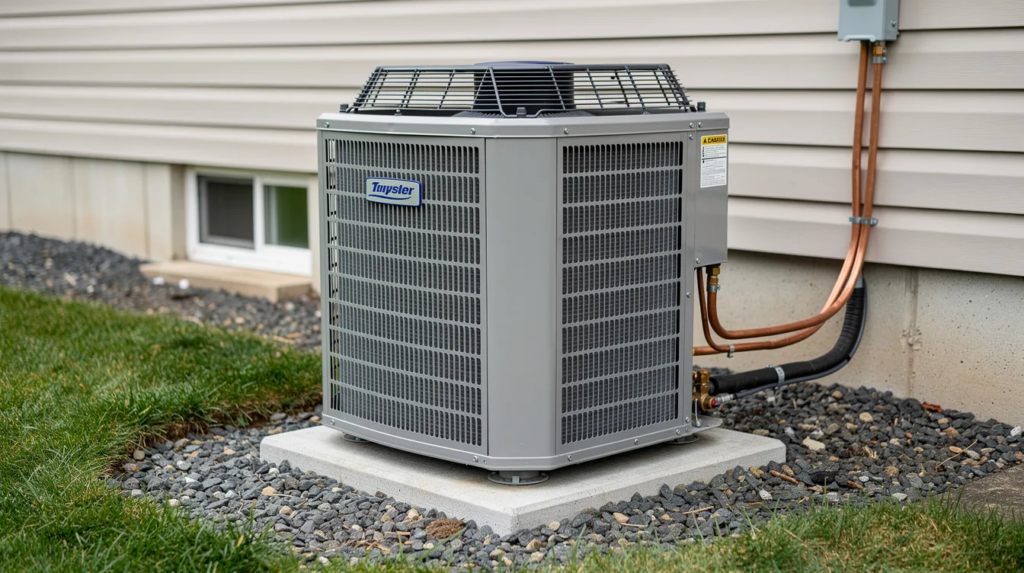
Around sensitive HVAC components like the blower assembly and evaporator coil housing, technicians use hand-brushing and contact vacuuming. Special care is taken with flex ducts-common in finished basements and newer additions-where overly aggressive brushing can tear the inner liner and create leaks.
Collection of Contaminants with Negative Air and Filtration
A large-diameter vacuum hose connects to the main supply or return trunk, establishing continuous negative pressure throughout the duct system during the entire air duct cleaning process. Return air registers and supply diffusers are managed in sequence so conditioned air flows steadily toward the collection point as tools agitate dust in each branch.
Professional vacuum equipment uses multi-stage filtration, including HEPA filters, to capture fine particles, allergens, and other contaminants before exhausting air outside, a level of care that aligns with Bee’s focus as a locally owned, NADCA-certified HVAC cleaning company. Some setups use truck-mounted systems; others rely on high-capacity portable vacuums when driveway access is limited. A proper duct cleaning job involves inspection and capturing debris without dust dispersion. This is what separates professional work from a homeowner running a shop vacuum near a vent.
What Bee's Air Duct Cleaning Typically Does on a Colorado Home Visit
A typical Bee’s visit starts with a walkthrough: confirming problem areas like dusty vents, rooms with weak airflow, or odor complaints, and identifying access points throughout the home. Professional air duct cleaning should take two to four hours depending on system size and contamination level, especially when performed by a dedicated Northern Colorado air duct cleaning service that follows a thorough, step‑by‑step process.
The usual workflow follows Bee’s documented process: protecting floors and furnishings, shutting down the HVAC system, installing the negative air machine at the plenum, and setting up hoses and agitation tools from the furnace or air handler; this same method is used for their Boulder‑area air duct cleaning services and other Front Range communities. The team then works through supply ducts and registers, return ducts and grilles, the furnace cabinet and blower area, and accessible plenums. Bee’s also checks the air filter and may recommend a replacement appropriate for Colorado dust and pollen loads-typically MERV 8–11 for most homes, higher for allergy-sensitive households if the system can handle the static pressure.
Before leaving, technicians review findings with the homeowner: unusually dirty returns, evidence of prior construction debris, any damaged or disconnected ducts, or unusual noises from the blower that may indicate a separate HVAC issue.
Evaporator Coil and Furnace Component Cleaning
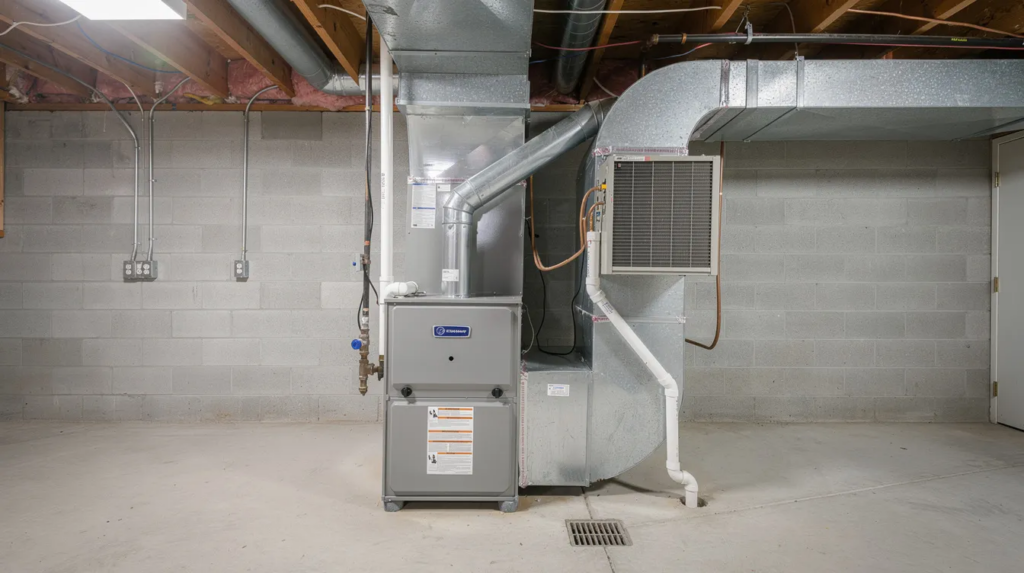
The evaporator coil-the indoor AC coil that absorbs heat from your air-sits inside a metal plenum box, usually above the furnace. Dust and pet hair that bypass the air filter accumulate on coil fins, forming an insulating layer that reduces cooling efficiency and can contribute to musty odors and mold growth in drain pans.
Bee’s accesses and cleans the coil area by removing or opening the coil panel, gently brushing and vacuuming loose debris, and using coil-safe cleaners when appropriate. They also clean the blower compartment, removing settled dust from the blower wheel, motor, and cabinet surfaces to restore airflow and reduce recirculating dirt. For detailed information on this service, see Bee’s evaporator coil cleaning. If coils are heavily impacted or inaccessible, Bee’s will recommend a more in-depth service visit or coil pull by an HVAC contractor.
DIY Air Duct Cleaning vs. Professional Duct Cleaning: What Homeowners Can Safely Do
Light DIY air duct cleaning tasks are helpful maintenance, but they have clear limits. DIY cleaning usually only reaches the last 10 feet of ducts, and without negative pressure, disturbed dust drifts deeper into the system or into rooms. Improper duct cleaning can lead to low-quality results and potential scams, especially from companies offering suspiciously cheap deals that use only chemicals or a quick pass with a brush.
Professional cleaning can remove mold and pests effectively using the right tools and containment methods, and reputable providers will clearly explain air duct cleaning cost, methods, and NADCA-trained technicians before work begins. Duct cleaning may improve indoor air quality if mold is present, making early professional intervention the smarter financial move; homes with long‑term or heavy smoking often benefit from targeted cigarette smoke odor removal from ducts as part of that work.
Safe DIY tasks include:
Vacuuming and washing supply and return registers in warm soapy water; drying fully before reinstalling
Gently vacuuming just inside accessible duct openings with a brush attachment
Changing HVAC filters regularly-an important preventive measure against dirty ducts
Keeping the furnace room clean and uncluttered
Call a professional when you see:
Visible mold in or on ducts (immediate cleaning is needed if mold is present)
Strong musty or smoke odors that persist
Evidence of rodents or insects
Heavy drywall or construction dust after remodeling
Damaged insulation inside ducts
Basic DIY Steps for Surface-Level Cleaning
Turn off the system, remove registers, wash them in warm soapy water, and let them dry completely. Vacuum just inside each opening with a brush attachment-never reach deep into metal ducts with improvised tools. Inspect and replace the air filter at the same time. Check visible areas around the air handler for loose debris and gently vacuum floors and accessible cabinet surfaces without opening sealed electrical compartments. No harsh chemicals or bleach inside ducts. No DIY attempts to deep-clean evaporator coils. These steps help maintain cleaner HVAC ducts between professional visits but cannot replace full negative air duct cleaning when contamination is significant. For homeowners scheduling their first professional cleaning, these DIY habits extend the benefits between service visits.
How Often to Clean Ducts in Colorado and Signs It's Time to Call Bee's
Air ducts should be cleaned every three to five years under normal conditions, with mountain communities like Estes Park often needing attention on a similar schedule from local Estes Park air duct cleaning specialists. Households with pets should clean ducts every two to three years. Homes over 10 years old may need duct cleaning sooner, especially if the system has never been serviced-air duct cleaning is recommended if ducts are over 10 years old.
Signs it’s time for professional attention:
Sign | What It Suggests |
|---|---|
Visible dust bursts from vents at startup | Heavy debris buildup in trunk lines |
Persistent musty or smoky smells | Possible mold or smoke residue on duct surfaces |
Uneven airflow between rooms | Blockages or disconnected duct runs |
Filters clogging within weeks | Excessive contaminants circulating in the system |
Unexplained dust on surfaces despite regular cleaning | Dirty ducts redistributing particles |
Post-construction or after interior projects like basement finishing is an ideal time to schedule routine air duct cleaning, and Denver‑area homeowners can work with Bee’s air duct cleaning team in Denver for this kind of follow‑up service. If you’re unsure whether your ducts need attention, start with an evaluation-Bee’s can look at the system, check a few ducts, and help you decide whether full duct cleaning services or basic HVAC maintenance is the right next step. Combining regular filter changes, periodic professional duct cleaning, and occasional evaporator coil cleaning is one of the most effective ways to protect your HVAC system and improve air quality in your Colorado home over the long term.
