
Fast Answer: Why Dirty Ductwork Is a Serious Problem
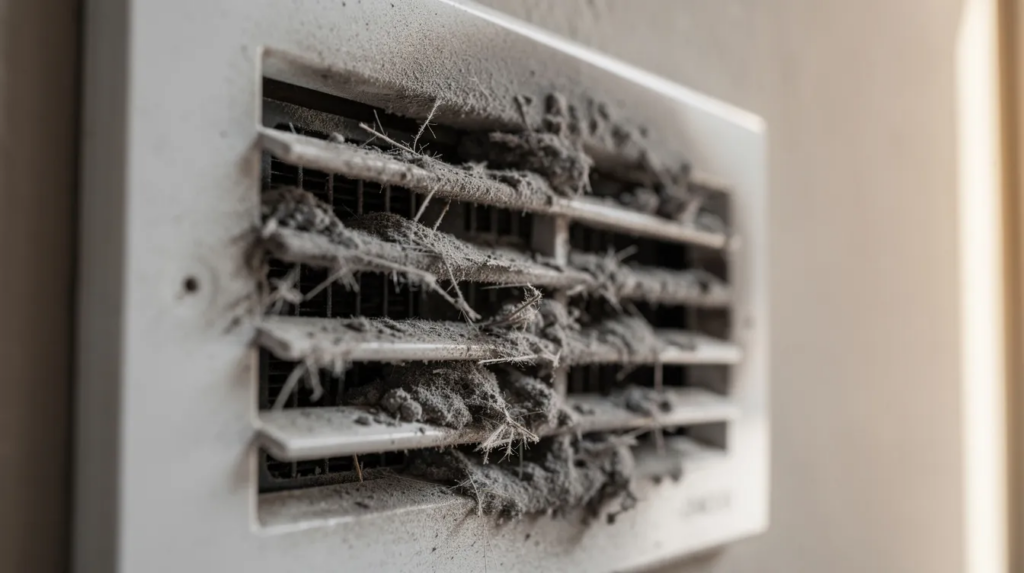
If you own a home or manage a building in Denver, Longmont, or anywhere across Northern Colorado, there’s a good chance your air ducts are dirtier than you think. Dirty ductwork means layers of dust, debris, and sometimes mold, pet dander, or construction residue lining the inside of your air ducts and air vents – quietly affecting your comfort, health, and wallet.
Here’s what dirty air ducts can cost you right now:
Higher energy bills from your hvac system working overtime against restricted airflow
Uneven temperatures – hot or cold spots in rooms or offices that never seem to balance out
Household dust reappearing on furniture within 24 hours of cleaning
Allergy flare-ups, sneezing, and irritated sinuses during heating and cooling seasons
Lingering musty or smoky odors that surface cleaning can’t fix
Dirty ducts can cause HVAC systems to lose up to 40% of their airflow, straining blower motors, extending run times, and pushing equipment toward early failure. Clean air ducts can significantly improve indoor air quality and system longevity.
Bee’s Air Duct Cleaning is a local specialist serving Denver, Longmont, and Northern Colorado with professional air duct cleaning, dryer vent cleaning, and indoor air quality solutions. In this guide, you’ll learn how to recognize dirty ductwork, what causes it, and when it’s time to call a pro.
How Air Ducts Actually Work (and Why Dirt Builds Up Inside)
Think of your air duct system as the circulatory system of your home or commercial building. The blower pushes heated or cooled air through supply ducts to each room, while return ducts pull air back to the furnace or air conditioning system to be filtered, reconditioned, and sent out again. Supply and return registers, vents, and the network of sheet metal ducts or flex ducts connecting them all form a continuous loop.
Here’s how dirt enters and accumulates in that loop:
Normal daily life in Denver and Longmont generates airborne particles – dust from our dry climate, wildfire smoke particulate matter, pet hair, pollen tracked in on shoes and clothing – all of which get pulled into return registers.
HVAC filters catch some of these particles, but no filter captures everything, especially when low-MERV filters are used or when a filter is overdue for replacement.
Dust inside ducts usually stays adhered to interior surfaces rather than circulating freely, gradually thickening on duct walls, cooling coils, and blower components over months and years.
Over time, some duct branches or registers become partially clogged air ducts, reducing airflow to specific rooms.
Moisture and contaminants together can create additional health issues in ductwork, especially on porous surfaces like fiberglass lined ducts.
Commercial buildings add complexity: larger trunk lines, rooftop units, multiple zones, and longer duct runs where buildup can hide deeper and go unnoticed longer.
Common Causes of Dirty Air Ducts in Northern Colorado Homes & Buildings
Northern Colorado’s semi-arid climate, seasonal construction booms along the I-25 corridor, and intense spring pollen seasons all accelerate how quickly debris accumulate inside your duct system. Here are the most common causes:
Skipped maintenance: Unchanged filters, missed annual tune-ups, and never having duct cleaning performed in 10–20 years allow layers of dust and debris to build up unchecked. Change HVAC filters regularly to improve indoor air quality and reduce the load reaching your ducts.
Pets: Dogs and cats shed hair and dander constantly. Pet dander enters return vents and settles deep inside ductwork, especially in carpeted homes and pet-friendly offices. Clean ducts are essential if pets or smokers are present in your space.
Renovation work and new construction: Drywall dust, sawdust, insulation fibers, and concrete particles get pulled into the system when contractors run the furnace or air conditioning during construction projects. Homeowners should clean ducts after significant renovations.
Moisture and leaks: Humid basements in older Longmont and Denver homes, swamp coolers, or malfunctioning humidifiers contribute sticky residue that clings to duct walls and can support mold growth and microbial contamination.
Occupant behaviors: Smoking indoors, burning candles frequently, operating commercial kitchens, or managing high-turnover short-term rentals all add grease, soot, and chemical residues to dirty air circulating through the system.
Regional wildfire smoke: Post-Marshall Fire research found that even homes not directly burned showed elevated chemical residues and particulate matter in indoor dust for weeks after the event – residue that settles inside ducts and lingers.
Many of these causes overlap with the issues outlined on our Problems We Solve page, where dirty ductwork is the root of odors, dust buildup, allergy complaints, and rising energy costs.
Dirty Ductwork Warning Signs: How to Tell Your Air Ducts Need Cleaning
You don’t need special tools to spot many signs of dirty air ducts. Here’s what to look for in your home or building:
Visible dust and debris around vents: Dark rings or discoloration around air vent covers, puffs of dust when the furnace or AC kicks on, or grey streaks on ceilings near registers all point to buildup inside the duct work.
Strange odors: Musty, smoky, or stale smells from supply vents – especially when heating kicks on for the first time each fall – suggest contamination or decay inside the system. Strange odors from ducts suggest contamination that surface cleaning won’t resolve.
Health symptoms indoors: More sneezing, coughing, or itchy eyes at home or in the office than you experience outdoors. Worsening asthma or allergy symptoms during heating or cooling season can signal that your household suffers from dirty air recirculating through ducts.
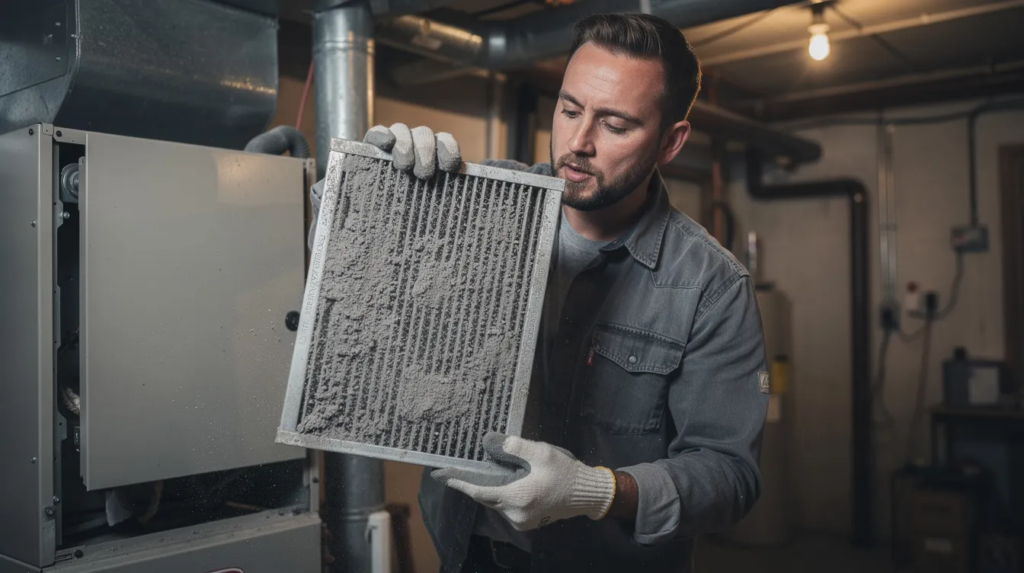
Frequent filter clogging: If you’re replacing furnace filters monthly or sooner, that’s a symptom of heavy airborne contaminants cycling through the system. Frequent clogging of furnace filters signals dirty ducts pushing particulates back into the air stream.
Constant dusting: Needing to dust furniture or workstations every one to two days despite regular cleaning is a telltale sign. Dust accumulation in homes shortly after cleaning indicates dirty ducts are the source.
Uneven airflow or temperatures: Rooms that never reach the set temperature often have partially blocked or dirty air vents and duct branches restricting airflow.
Vermin evidence: Droppings, scratching noises, insect activity, or pieces of insulation appearing in registers are red flags. Presence of vermin in ducts is a clear sign they need cleaning – and key signs of dirty ductwork include visible mold and pest infestations. If you spot visible mold growth inside ducts, that’s an immediate call to action.
Bee’s Air Duct Cleaning can perform camera inspections to show you actual conditions inside your ductwork, giving homeowners and property managers the evidence they need to make informed decisions.
Health & Comfort Impacts of Dirty Air (Dust, Allergens, and Odors)
Dirty air ducts directly contribute to poor indoor air quality, and the problem is amplified in tightly sealed modern homes and offices across Northern Colorado where indoor air recirculates with minimal fresh air exchange. A Denver-area study found that during wildfire smoke events, indoor PM₂.₅ levels rose up to 4.6 times higher than outdoor concentrations in homes without adequate filtration – particles that settle in ducts and get re-released with every system cycle.
Here’s what that means for the people inside:
Poor indoor air quality can trigger respiratory illnesses, including bronchitis and sinus infections. Dust buildup in ducts can lead to respiratory infections over time, particularly with prolonged exposure.
Dirty ducts can worsen allergy symptoms and asthma attacks. If your allergy symptoms improve when you leave the building but return when you’re back inside, your duct system deserves scrutiny.
Dirty ducts can harbor harmful contaminants like mold spores, bacteria, dust mites, and pollen – all recirculating through your living space or workspace.
Polluted indoor air can cause fatigue, headaches, and nausea, reducing comfort at home and productivity in commercial settings.
Odors from smoke residue, moisture, or organic decay inside ducts persist even after thorough surface cleaning of rooms. These smells originate deep in the duct system.
Air duct cleaning can help prevent respiratory issues and bring noticeable relief. Customers commonly report less dust, fewer sneezing fits, and better-smelling air within 24–48 hours of a thorough job.
How Dirty Ductwork Damages HVAC Performance and Energy Efficiency
Dirty air ducts aren’t just an air quality problem – they’re a direct hit to your budget. In 2026, with energy costs climbing, the financial impact of neglected ductwork is hard to ignore.
Restricted airflow: Dust, pet hair, and debris partially blocking supply or return branches, grills, and cooling coils force blower motors to work harder. Research on commercial HVAC systems found that fan energy consumption dropped 41–60% after professional cleaning – showing just how much buildup was choking those systems.
Longer run times and wasted energy: Clogged air ducts and dirty evaporator coils reduce system efficiency dramatically. Cleaning ducts can improve hvac efficiency by 20%, and regular duct cleaning can reduce energy bills by 15% – savings that compound year after year.
Short-cycling and overheating: Dust buildup causes motors to overheat, limit switches to trip, and AC coils to freeze due to poor airflow through the cooling system. These lead to costly repairs and service calls.
Inconsistent temperatures: Dirty ductwork causes uneven heating and cooling between rooms or floors – a common complaint in multi-story Denver homes and commercial buildings along the Front Range.
Long-term equipment damage: Worn bearings, blower wheel imbalance, and strain on motors all shorten the life of your furnace, air conditioner, or rooftop unit. Replacing major equipment is far more expensive than keeping clean ducts.
Sealing matters too: Sealing ducts improves efficiency and air quality by preventing conditioned air from leaking into non air conditioned spaces like attics and crawlspaces.
Consider a scenario: a Longmont homeowner notices higher energy bills every winter, chalks it up to rate increases, then has their ducts cleaned for the first time in eight years. The result – noticeably more stable temperatures and a measurable drop in the system running time each cycle. Better hvac efficiency starts with what’s inside those ducts.
Professional Air Duct Cleaning vs. DIY: What Really Works?
Homeowners can absolutely clean air vent covers, swap furnace filters, and vacuum just inside accessible registers. But cleaning the inside of ductwork and other components of the hvac system is a fundamentally different job.
What DIY can cover:
Removing and washing vent covers and return registers
Vacuuming a few inches inside accessible register openings with a household vacuum
Replacing the furnace filter and cleaning around the filter holder
Where DIY falls short:
Standard shop vacs lack the power and filtration to handle the entire system. They can’t reach deep into trunk lines, branch ducts, or bends – and they risk stirring contaminants back into your living space.
Without proper tools, you may damage flex ducts, disturb fiberglass lined ducts, or leave access holes improperly sealed.
What professionals bring:
Professional air duct cleaning uses negative-pressure vacuum equipment, mechanical agitation tools like rotary brushes and compressed air whips, and trained technicians who know how to handle every duct type without causing damage.
Choose certified companies like those from NADCA (the National Air Duct Cleaners Association). Certifications and training matter for both residential and commercial work.
The EPA advises that professional duct cleaning is recommended when there is visible contamination or pest evidence, and that the whole system – not just a few vents – must be treated to solve dirty air issues. Duct cleaning is unnecessary if no visible contamination exists, so avoid duct cleaners making unsubstantiated health claims.
Before hiring anyone: Get written estimates from at least three service providers. Check references to ensure customer satisfaction. Ensure the service provider holds relevant state licenses. These steps protect you from low-quality duct cleaning companies and “too good to be true” coupon operations.
What a Thorough Duct Cleaning Service Includes (Bee's Air Duct Cleaning Process)
Here’s a transparent look at how a complete, whole-system cleaning works – whether it’s a three-bedroom Denver home or a multi-zone Longmont office. You can also review our full air duct cleaning process for more detail.
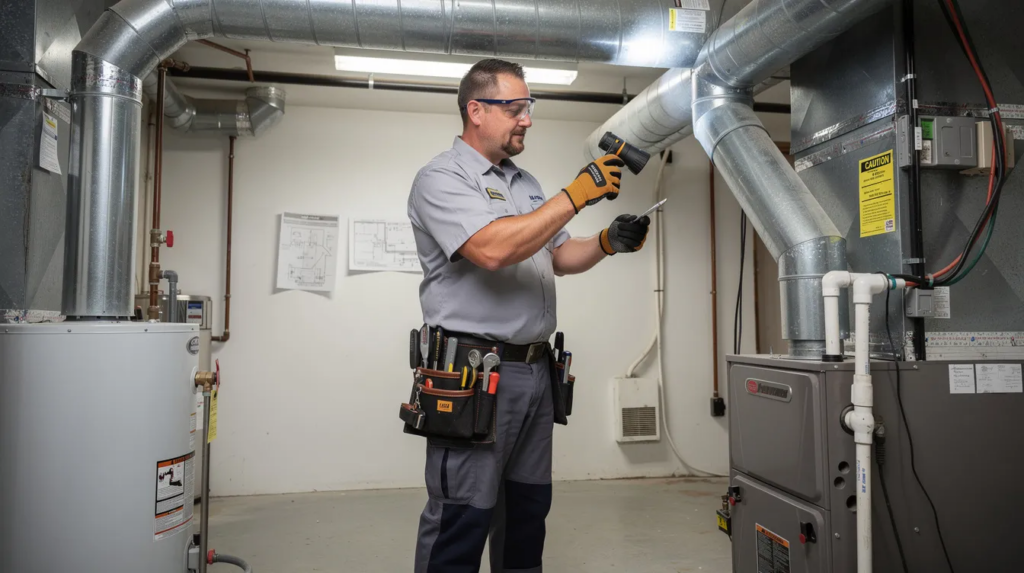
Inspection: A technician walks through your home or building, checking air vents, return registers, and accessible ductwork. Camera inspections can document dirty ductwork conditions so you see exactly what’s inside before any work begins.
Property protection: Floor coverings, corner guards, and sealed-off registers keep dust and debris contained during cleaning, protecting your living space or workspace.
Negative-pressure setup: Truck mounted or high-powered portable vacuum equipment connects to the main trunk lines at the plenum. This creates continuous negative pressure so contaminants are pulled into the vacuum – not pushed into your rooms.
Agitation and cleaning: Technicians use air whips, brushes, compressed air nozzles, and air rods to loosen household dust, pet hair, construction debris, and other buildup from duct walls. They work through every supply and return line, using the right tools matched to your duct type – whether sheet metal ducts, flex, or other materials.
Component cleaning: Where applicable, the blower housing, accessible cooling coils, drain pans, plenum, and return drops are cleaned to prevent re-contamination of the duct system.
Optional services: Dryer vent cleaning on the same visit, basic HVAC performance checks, and recommendations for filter upgrades to improve indoor air quality.
Final verification: All access holes are resealed and properly sealed. Airflow is verified at each register. Before-and-after photos or videos are shared so you can see the difference – clean ducts replacing what was there before.
Vacuum and clean vents regularly between professional visits to reduce dust buildup and extend the life of a thorough cleaning.
How Often Should You Have Your Air Ducts Cleaned in Colorado?
Cleaning frequency depends on your environment, usage, and the health of the people inside your building. But clear guidelines help you plan.
General recommendation: The National Air Duct Cleaners Association recommends cleaning every three years. Ducts should be cleaned every 3–5 years for optimal air quality in homes and light commercial spaces with average use and decent filtration.
Every 2–3 years: Homes with multiple pets, smokers, severe allergies or asthma, or locations near busy roads or industrial areas in Denver benefit from a shorter cycle. Regular cleaning on this schedule prevents heavy accumulation.
Commercial and multi-family properties: High-traffic offices, medical clinics, childcare centers, and rental properties may need more frequent evaluation. Coordinate duct cleaning services with your building maintenance plan to stay ahead of complaints.
Event-driven cleaning: Schedule cleaning after major renovation work, wildfire smoke events, flood or water damage in basements or mechanical rooms, or confirmed pest infestations. These events can overwhelm your system in days, not years.
Between cleanings: Regular maintenance matters. Annual furnace and AC service, timely filter changes, and keeping the area around your system clean all help keep properly maintained ducts in better shape longer.
The EPA’s stance is that air duct cleaning should be performed when there is visible mold growth, pests, or heavy dust release. In Colorado, our dry climate, wildfire seasons, and construction activity mean those triggers come around more often than in many other regions.
Preventing Dirty Ductwork: Maintenance Tips for Cleaner Air Ducts
Once your ducts are clean, simple preventive steps protect your investment and extend the benefit to your indoor air and your wallet.
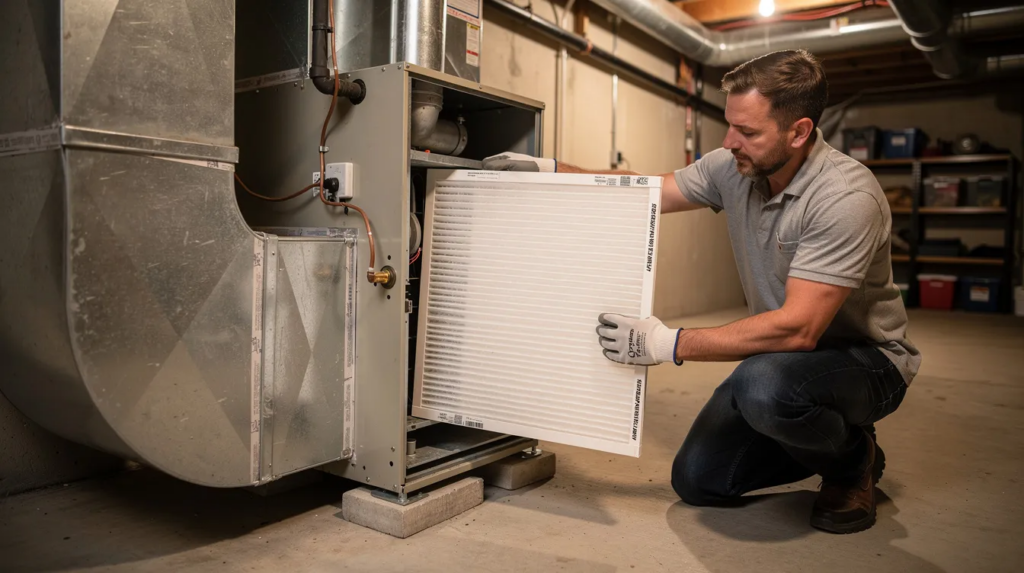
Use quality filters: Install properly sized furnace filters in the MERV 8–13 range for residential systems (higher for commercial or health-sensitive environments). Replace them every one to three months depending on conditions and check the filter holder for proper fit so air doesn’t bypass the media.
Vacuum and dust regularly: Use a HEPA-filter vacuum around return registers and air vents to reduce the volume of debris pulled into the system. Pay attention to high-traffic areas and rooms with pets.
Seal and insulate ductwork: Address duct leaks in attics, crawlspaces, and mechanical rooms. Properly sealed and insulated ducts prevent dust infiltration from non air conditioned spaces and reduce condensation that feeds microbial contamination.
Keep registers open and unblocked: Furniture, rugs, or boxes covering vents restrict airflow and put extra strain on your system running harder than necessary.
Control moisture: Fix basement leaks, maintain humidifiers and drain pans, and ensure condensate lines are clear. Wet spots in or near ductwork are where mold takes hold.
Create a maintenance plan: Property managers and business owners should document filter schedules, visual duct checks, and periodic professional inspections in a written HVAC maintenance plan.
For more indoor air quality strategies beyond duct cleaning, visit our Routine HVAC Maintenance page.
Why Choose Bee's Air Duct Cleaning for Dirty Ductwork in Denver & Longmont
Not all duct cleaning companies deliver equal results, and quality matters far more than the lowest price when your health and your hvac system are on the line.
Local expertise across Northern Colorado: Bee’s provides residential and commercial air duct cleaning throughout Denver, Longmont, and surrounding communities – with the right equipment for Colorado’s unique challenges.
Certified technicians on every job: Bee’s adheres to NADCA-level best practices with trained technicians who clean the entire system, not just a few vents. Every tech is carefully screened with years of hands-on experience.
Transparent pricing: Upfront, written estimates and clear scopes of work. No bait-and-switch coupon scams. You know what you’re paying for before any work begins.
Professional, respectful service: On-time arrival, protect-the-home protocols, and before-and-after documentation so you can see dirty ductwork transformed into clean ducts with your own eyes. When you call Bee’s, you talk to a Bee’s staff member – not a call center.
Complex layouts handled with confidence: Older Denver homes with mixed duct types, new builds around Longmont, and small-to-medium commercial buildings all fall within Bee’s core expertise.
Dirty ductwork doesn’t fix itself. Whether you’re dealing with dust, odors, health risks, or rising energy costs, addressing what’s inside your air ducts is one of the smartest investments you can make for your home or business. Contact Bee’s Air Duct Cleaning today to schedule an inspection or request a quote – and save energy, breathe easier, and get your system back to where it should be.
